
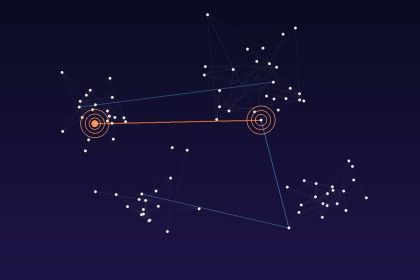
When an app tells you «products similar to this one», «articles you might like» or «similar images», it is not comparing your selection against every other item row by row. There is a step beforehand ...
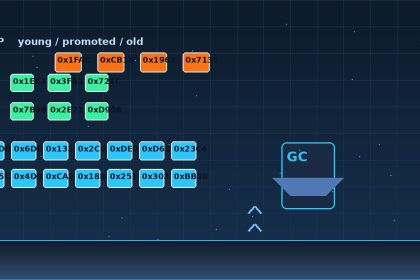
When you write const data = new Uint8Array(64 * 1024 * 1024), your browser has just asked the operating system for 64 megabytes of memory. What you do not see is what happens when that variable stops ...
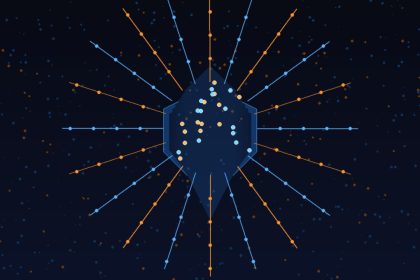

For decades, every new page you loaded started with the same three words in the world of bits: hello, hello, I am here. That two-round handshake was inherited from a protocol designed in 1981, when no...
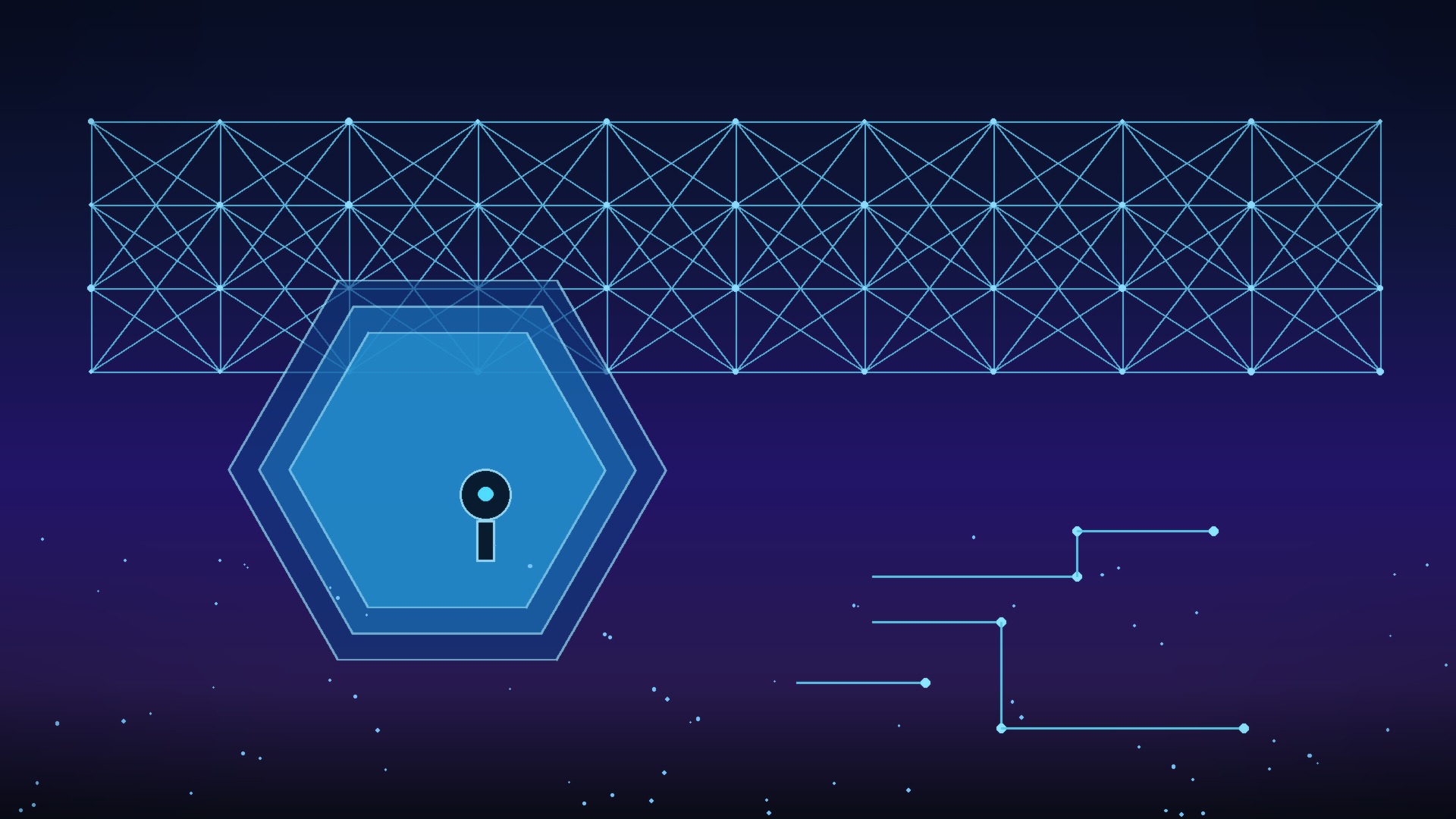
If you have ever shopped online, sent an encrypted email or made a bank transfer, your trust has rested on two acronyms: RSA and ECC. They are the algorithms protecting almost every encrypted connecti...
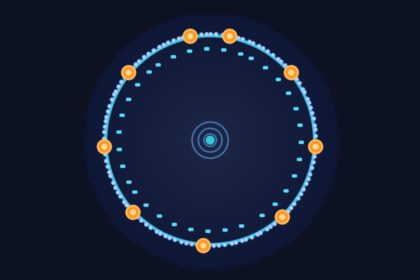
If you spread data across several servers, your first instinct is the modulo operator: data % number_of_nodes. It is simple, reliable, and it works. Until a node dies, a new one joins, or you simply w...

There is a problem classical cryptography never fully solved: how do you prove that you know something without revealing what it is? This is not about hiding a value behind a hashed password, but abou...
Two people edit the same document at the same time from two devices, offline, and when they finally reconnect the result is not a tangle of broken cells or a blunt “last writer wins”: both...
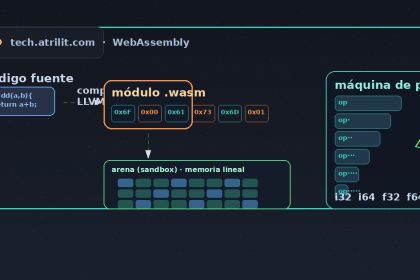
When you open a complex application in your browser, most of the time JavaScript handles everything. But a format arrived to make sure that is not the only language your browser understands: WebAssemb...
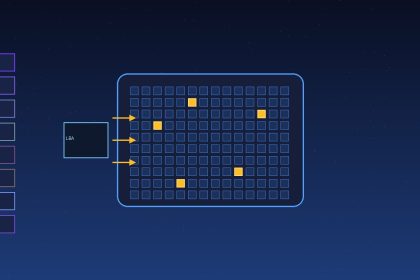
You ask the disk to write a few bytes in a specific place, and you believe that is exactly what it does. In an SSD (solid-state drive, storage without moving parts that uses flash memory) that belief ...

Your program creates objects endlessly: a list here, a string there, a temporary user. Each one occupies a corner of memory. And when you stop using it, it would stay there forever, piling up until th...

Almost everyone believes that digitally signing is encrypting the message so nobody can read it. It is not. They are two cousins that often get confused: encryption seeks secrecy; signing seeks what a...