
Your mind, the new remote control
Imagine moving your computer cursor without touching the mouse. Or writing a message just by thinking it. This is not science fiction: there are already people doing it every day. They are called brain-computer interfaces, and they promise to change the way we relate to machines.
What a brain-computer interface is
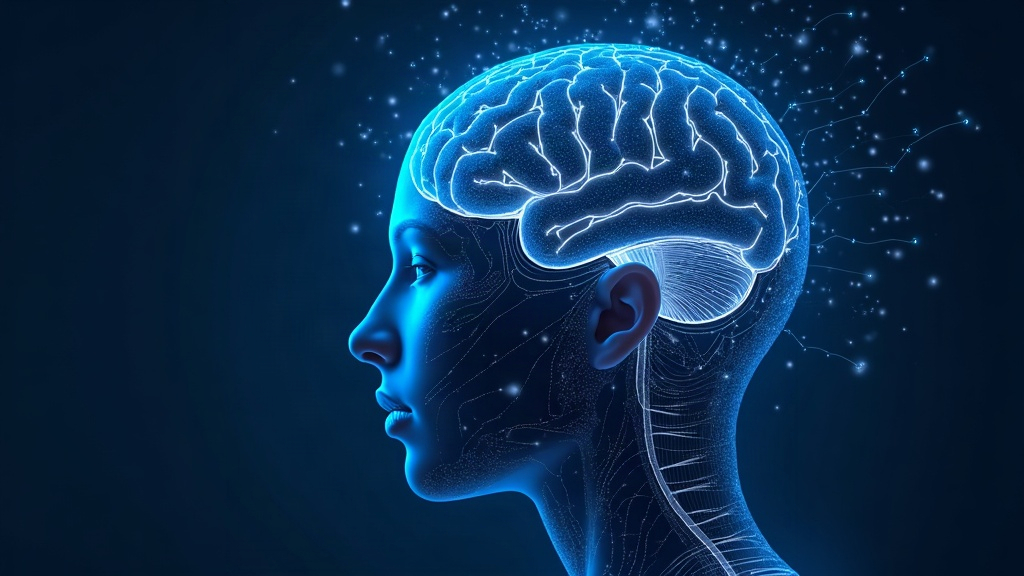
A brain-computer interface is a system that reads the electrical activity of your brain and translates it into commands for a device. The brain works with electrical impulses between neurons. With sensors placed on the scalp, or sometimes inside the skull, those impulses can be captured and their intention deciphered.
The goal is to create a direct communication channel between the mind and the machine. No keyboard, no voice, no gestures. Just thought.
A hope for many people
The field where most progress is being made is medicine. For someone who has lost movement due to a spinal cord injury, moving a robotic arm with the mind stops being a dream. There are already paralysed patients who control computers, write messages or even take steps again thanks to exoskeletons guided by their thoughts.
Research is also underway into diseases such as Parkinson’s or epilepsy. A small implanted device can detect anomalous signals and stimulate the brain to reduce symptoms. It is a door open to treatments that previously seemed impossible.
Beyond the hospital
The technology is also attracting interest outside medicine. Technology companies are developing headsets that promise to help you concentrate better while studying or let you play a video game without pressing a button. Others are exploring uses for piloting drones or operating heavy machinery with less risk.
These devices are still experimental. Those for commercial use, without the need for surgery, read weak signals and require calibration. Even so, every year they take firmer steps towards what seemed unreachable.
The challenges still to be solved
The road has obstacles. Implanted technology requires surgery, with its risks. Brain signals are noisy and change over time, which complicates accuracy. And the brain is so complex that we still understand only a small part of how it generates thoughts and movements.
There are also big ethical questions. Who has access to the information we read from your mind? Could it be used to monitor you or influence your decisions? Mental privacy has become a serious debate among scientists and lawmakers.
A future being written now
Brain-computer interfaces will not replace the keyboard overnight. But they are already giving back autonomy to people who had lost it, and that changes lives. Like every great technology, it will arrive little by little: first in hospitals, then in laboratories and, who knows, maybe one day in your living room.
The conversation between your mind and the machine has already begun. It only remains to decide how far we let it go.