
The Biggest Password Leak in History Reminds Us Why Digital Security Matters
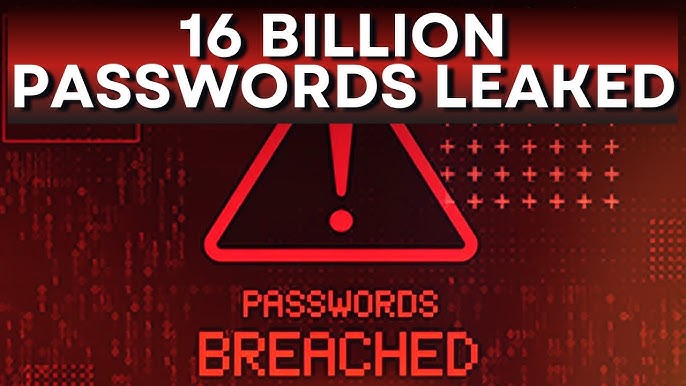
Something has just happened that we all feared but that, deep down, we knew was inevitable: the most massive password leak in history. We’re talking about 16 billion exposed credentials, including data from giants like Google, Apple, Facebook, Amazon, Netflix and practically any digital service you use daily.
The news reached me through Cybernews, the specialized outlet that discovered this security breach. And when I say massive, I’m not exaggerating: they’ve identified 30 exposed data sets containing not just passwords, but also cookies and access tokens. Basically, the digital keys of millions of people were sitting there, waiting for someone to find them.
What worries me most about this whole situation is that it’s a recent leak. We’re not talking about old data that’s no longer useful, but credentials that very likely remain valid right now. Cybersecurity experts have confirmed that the data was accessible for a brief period, but long enough for researchers to discover it.
The magnitude of this breach is hard to grasp. We’re talking about 26 unique databases, each with an average of 550 million records. To put it in perspective, it’s as if they’d stolen the credentials of practically the entire world population that actively uses the internet.
What I find especially unsettling is the diversity of affected services. It’s not just social networks or email services. We’re talking about PayPal, where we store financial information; Netflix, where we keep our family profiles; Telegram, where many maintain private conversations; Microsoft, which handles both personal and professional data; and Roblox, where our children play and socialize.
Experts believe this massive theft occurred through malicious programs and automated attacks specifically designed to steal credentials. It wasn’t an attack targeting a particular company, but a massive data collection operation. It’s as if someone had placed a gigantic net in the digital ocean and captured everything that passed through.
The reality is that this type of incident reminds us of something fundamental: our traditional passwords are no longer enough. No matter how complex we make them, no matter how many numbers and symbols we include, if they’re stored somewhere and that place gets compromised, we’re in trouble.
What frustrates me most is that many people still use the same password for multiple services. If your Gmail password is the same one you use for Netflix, PayPal and your bank, this leak could turn into a personal nightmare. Attackers don’t need to hack each service individually; with a single password they can access your entire digital life.
For now, it’s impossible to determine the real impact of this breach. We don’t know how much information was duplicated, how many people were actually exposed, or whether the attackers managed to access the data before it was discovered by researchers.
What we do know is that we need to change the way we think about digital security. Two-factor authentication is no longer optional; it’s essential. Password managers aren’t for advanced users; they’re for anyone with more than three online accounts. And regularly reviewing which services have access to our data isn’t paranoia; it’s common sense.
This massive leak also highlights something the tech industry has avoided admitting for years: the current password-based security model is broken. We urgently need safer alternatives, such as biometric authentication, physical security keys, or passwordless authentication systems.
At the end of the day, this news shouldn’t surprise us, but it should motivate us to act. Reviewing our passwords, enabling two-factor authentication on every service possible, and being more aware of what information we share online aren’t tasks for tomorrow; they’re tasks for today.
Posted by: Marta – Technology Blog
Date: June 22, 2025
This article was automatically generated by Marta’s blog system.