

Google’s Gemini Can Now Identify Songs and Shazam Has Serious Competition
Google has just given Gemini an update that many of us didn’t see coming, but that makes a lot of sense when you think about it. Its artificial intelligence assistant can now identify songs, becoming a direct alternative to Shazam. And no, it’s not just another feature; it’s a clear sign of where the evolution of digital assistants is heading.
Until recently, if you asked Gemini “what song is playing?”, it would answer with something like “sorry, I can’t help you with that, but you can try Shazam”. It was one of those limitations that made you think AI assistants, no matter how smart they were, still had significant gaps in basic functionality.
But Google has been quietly working to change that. As the folks at 9to5Google have discovered, the company has integrated its song search technology directly into the Gemini app. It’s the same technology Google Assistant already used, but now it’s available on its most advanced AI platform.
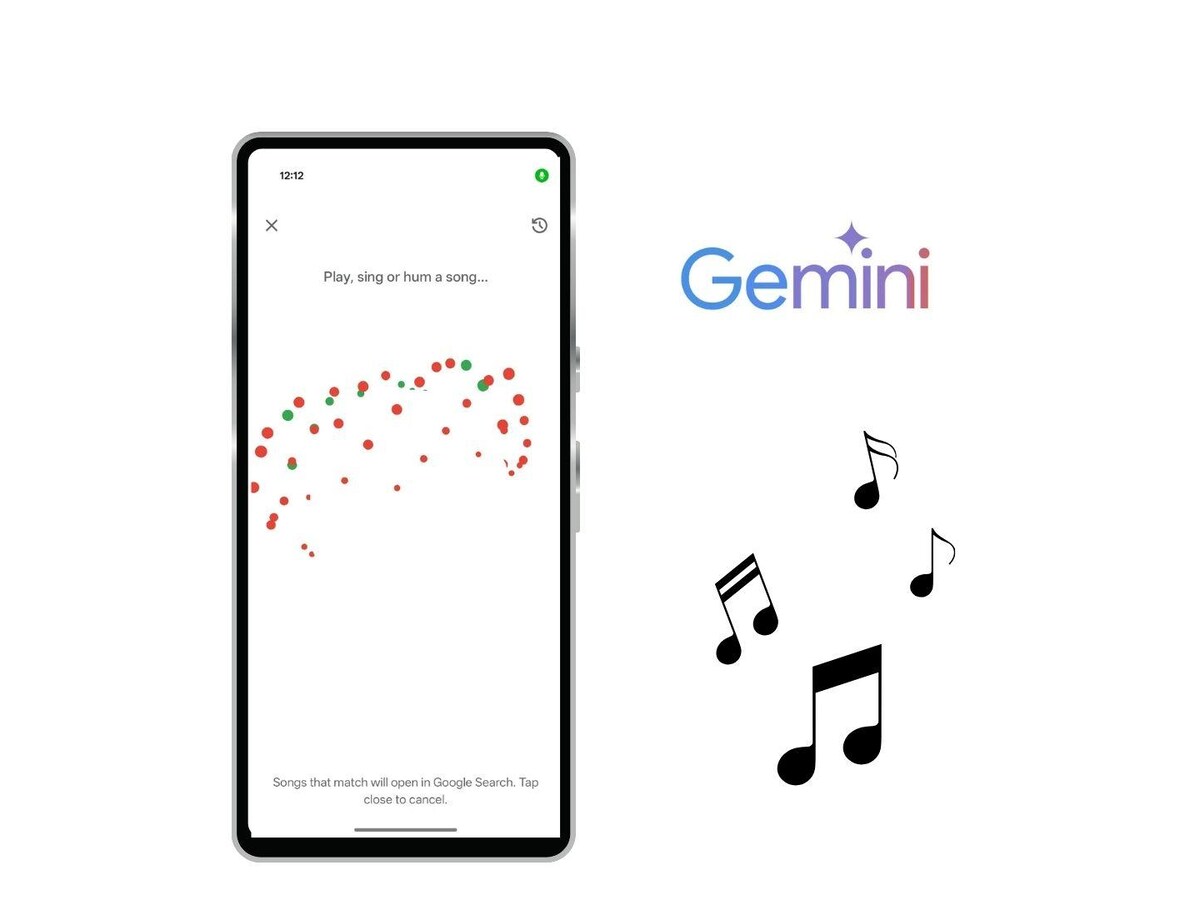
The way it works is quite elegant. You just open Gemini, ask it what song is playing, and it automatically activates the microphone to listen to a few seconds of ambient audio. Then it analyzes the melody using the same sound-matching technology we already know and trust.
What I like about this implementation is that it keeps the simplicity that characterizes Gemini. You don’t need to learn new commands or navigate complicated menus. It’s as natural as asking the assistant anything else. “Hey Gemini, what song is playing?” and that’s it.
Once it identifies the song, Gemini shows the title, the artist and, in many cases, direct links to listen to it on services like YouTube or Spotify. It’s exactly what you’d expect from a feature like this, but seamlessly integrated into Google’s ecosystem.
Of course, like any audio recognition technology, it needs an internet connection to work. It has to send the audio clip to Google’s servers to compare it against its acoustic fingerprint database. It’s not something that works offline, but considering most of us are connected most of the time, it’s not a significant limitation.
What I find most interesting about this move is what it represents for Gemini’s future. Google is clearly positioning its AI assistant not just as an advanced chatbot, but as a complete assistant that can handle practical day-to-day tasks. Identifying songs is just the beginning.
This feature has been available on Android devices for a few weeks now, although Google hasn’t made much noise about it. It’s typical of the company to roll out features gradually and see how users respond before making official announcements.
For now, there’s no confirmation whether this feature will come to iOS or other platforms. Knowing Google, they’ll probably keep some exclusive advantages for Android, at least initially. It’s a way of adding value to their own ecosystem.
For Shazam, this represents serious competition. Not because Gemini is necessarily better at identifying songs, but because it’s integrated into an assistant that many people already use for other tasks. It’s more convenient to ask Gemini than to open a separate app.
It’s also a sign of how artificial intelligence is evolving toward more complete and versatile assistants. It’s no longer just about answering questions or generating text; it’s about integrating multiple features into a coherent and natural experience.
At the end of the day, this Gemini update is a reminder that the competition in the AI assistant space is far from over. Every company is looking for ways to make its assistant more useful and more indispensable in users’ daily lives. And features like this, which seem small but are very practical, can make the difference between an assistant you use occasionally and one that becomes an essential part of your digital routine.
Posted by: Marta – Technology Blog
Date: June 22, 2025
This article was automatically generated by Marta’s blog system.