
The problem: quantum computers and the key that will break
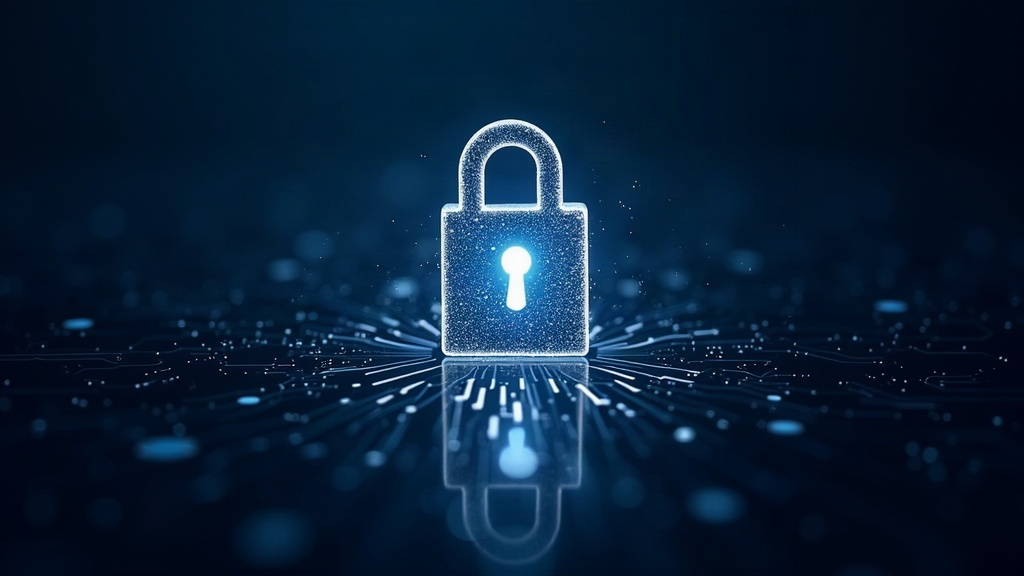
Your entire digital life is protected by mathematical locks. When you shop online, when you chat on WhatsApp or when you access online banking, there is a code that stops a stranger from reading what you send. These locks have been working for decades and are considered secure. But there is a threat on the horizon: quantum computers.
A quantum computer is not simply a faster computer. It is a machine that works by very different rules, those of quantum physics. And one of its abilities is breaking, in a matter of minutes, ciphers that today would take ordinary computers centuries to crack. The challenge is so serious that it has its own name: the Y2Q problem, or “years to quantum”.
The race against time: “harvest now, decrypt later”
Here is the detail that worries experts most. An attacker can steal your encrypted data today and store it without opening it. In a few years, when they have a powerful quantum computer, they will be able to unlock it retroactively. This strategy is known as “harvest now, decrypt later” and it makes urgent something that seems distant.
That is why governments, banks and large companies have already started replacing their locks with new ones, designed specifically to resist even quantum machines. This new set of techniques is called post-quantum cryptography.
The good news: the new padlocks already exist
There is no need to invent anything from scratch. After years of international competition, the first official post-quantum algorithms were chosen in 2024. They are new mathematics that pose problems so difficult that not even a quantum computer seems capable of solving them in time.
The most striking thing is that you will not notice many of these changes. Your phone, your computer and your apps will update silently. One day, when you open your phone, the underlying encryption will already be different, more robust, and you will not have had to do absolutely anything.
What you can do today
For the average user, the transition will be almost invisible. But there are a couple of gestures worth keeping in mind. Keep your operating system and applications updated, because those updates often include security patches that prepare the ground for the new ciphers.
And if you have very sensitive personal or work data that must last for decades (a will, contracts, medical files), it is a good idea to protect it with modern encryption tools and store it in secure places. It is not a dramatic emergency, but it is reasonable prudence.
A silent revolution already underway
The arrival of quantum computers will change many things, from medicine to artificial intelligence. But, for that future to arrive without scares, we first have to shield everything that already exists. Post-quantum cryptography is the discreet and essential task that will allow your secrets of today to remain yours tomorrow.
At heart, it is a story of foresight: protecting what does not yet seem to be in danger, before the danger actually arrives. And that is, precisely, the best definition of cybersecurity.