
Hello again!
Android was born in 2003 as a project by a small company that Google acquired in 2005, and launched its first commercial version in 2008 with the HTC Dream (also known as the T-Mobile G1). Since then, it has evolved spectacularly, going from being a basic, somewhat rough operating system to a sophisticated platform that powers not only phones, but also tablets, televisions, watches, cars and virtually any device you can imagine. It is like that friend you knew when he was an awkward teenager and is now a successful multifaceted professional.
One of Android’s most distinctive features is its open nature. As an open-source operating system (although with nuances, since Google firmly controls the most commercial parts), it allows manufacturers to adapt it to their needs, creating their own “layers” of customization. That is how we get Samsung’s One UI, Xiaomi’s MIUI, OPPO’s ColorOS, and many more. It is as if each manufacturer took the same piece of bread dough and baked it with its own recipe, resulting in finished products with the same origin but very different flavors.
This diversity is both a blessing and a curse. On the one hand, it offers users a wide range of options to choose the device that best fits their preferences and budget. On the other hand, it creates fragmentation: different versions of Android running on different devices, with different interfaces and update rhythms. It resembles each city having its own traffic code: more adapted to local needs, but a headache for visitors.
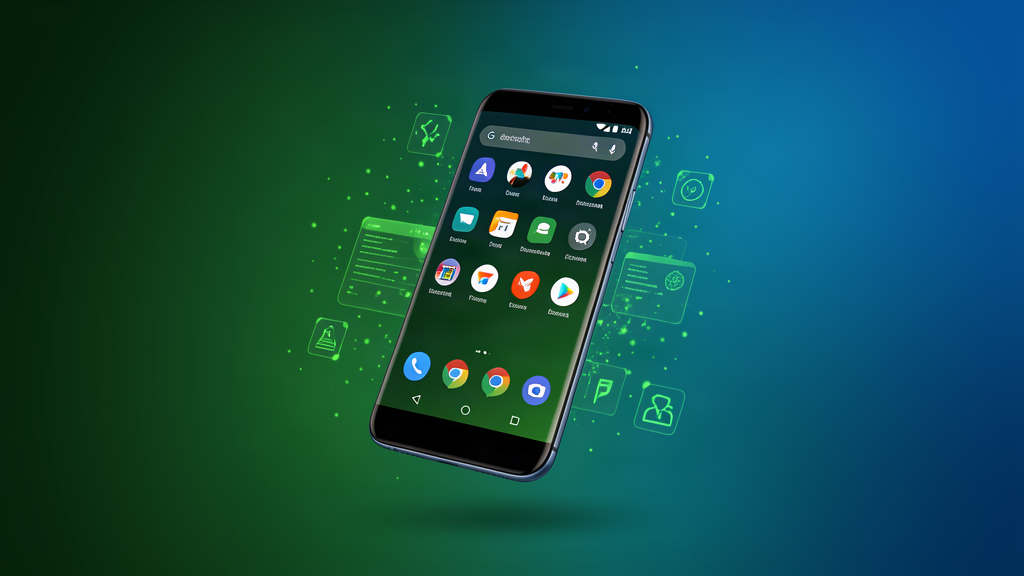
Customization is another strength of Android. You can change virtually any aspect of the interface: from the app launcher to the icons, through widgets, dynamic wallpapers or even the keyboard. For the boldest, there is the possibility of rooting the device (gaining superuser access) and modifying even deeper aspects of the system. It is like having a car you can tune to your liking, from simply changing the seat covers to modifying the engine to get more power.
The Google Play Store is the commercial heart of the Android ecosystem, with more than 3 million apps available. However, unlike iOS, Android allows installing apps from external sources, which opens up a world of possibilities… and also of risks. This openness has contributed to Android’s popularity in emerging markets and among more technical users, but it has also made it easier for malware to spread. It is like being able to shop in any store in the city instead of only at the official mall: more options, but also more need to stay alert.
Updates are perhaps Android’s Achilles’ heel. While Google devices (Pixel) and some premium manufacturers offer fast updates for several years, many mid-range and low-end smartphones are abandoned after a year or two. Google has tried to improve this situation with projects such as Project Treble and Project Mainline, which facilitate updates by separating the system core from manufacturers’ customizations. It is like living in a building where maintenance depends on each apartment’s owner: some will have modern, safe facilities, while others will still have the original 1970s plumbing.
Integration with Google services is another defining feature of the Android experience (at least in the West). Gmail, Maps, Drive, Photos, YouTube… all come preinstalled and work fluidly with each other. This integration offers a coherent and practical experience, but it also raises concerns about privacy and dependence on a single ecosystem. It is like living in a development where all services are provided by the same company: convenient, but what if you want to change providers?
In markets such as China, where Google services are blocked, there are versions of Android without these apps, demonstrating the flexibility of the system. Manufacturers such as Huawei have developed their own alternatives to the Play Store and Google services following the restrictions imposed by the USA. It is like a restaurant that can keep operating even if its main supplier stops delivering: it adapts and looks for alternative ingredients.
The future of Android seems oriented towards greater integration between devices and platforms. Projects like Android Auto for cars, Android TV for televisions, or integration with Chrome OS show Google’s ambition to create a connected ecosystem where the experience flows seamlessly between different types of devices. We also see advances in artificial intelligence, with features like Google Lens or contextual assistants that try to anticipate our needs. It means the system evolving from being a simple operating system to becoming a personal assistant that accompanies us throughout the day on different devices.
In conclusion, Android represents a vision of technology that is more open, customizable and diverse, although sometimes at the expense of coherence and security. Its dominance of the global market shows that this philosophy connects with the needs of most users, who value freedom of choice and adaptability over the more controlled but polished experience offered by alternative systems. As with so many things in life, there is no perfect option, but rather the one that best fits each person’s preferences and priorities. See you next time, tech friends!