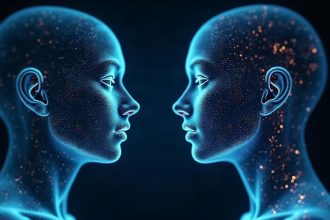

Netflix has accelerated its bet on the use of generative artificial intelligence and 300 productions so far in 2026 were developed with that technology at some point in the creative process, according to the company in a letter addressed to its shareholders. The streaming giant detailed that it has used AI throughout the entire creative process, from the early stages to the final delivery, with the highest concentration of work in the post-production stage. This includes everything from generating storyboards and concept art design to enhancing visual effects and automating repetitive tasks in editing. Among the productions that have already incorporated generative AI are titles such as ‘Glory’, ‘Brasil 70: A Saga do Tri’ and ‘The American Experiment’. The company has not revealed the exact percentage of its catalog that this figure represents, but 300 productions out of the annual total indicate a firm commitment to the technology. The news comes at a time when the entertainment industry is debating the role of generative AI. While some Hollywood guilds and unions express concern about the possible displacement of jobs, Netflix argues that AI acts as a support tool for creatives, allowing them to focus on tasks of greater narrative and artistic value. ‘AI allows us to do more with less, but always under the supervision and direction of human creative teams’, the company states in its communication to investors. This hybrid approach, where technology accelerates workflows but humans make the final creative decisions, seems to be the streaming platform’s bet for the coming years. Netflix’s move reflects a broader trend in the entertainment industry. Other platforms such as Disney+ and Amazon Prime Video are also exploring the use of generative AI in their productions, although none has shared figures as concrete as Netflix’s. This strategy not only seeks efficiency: it also raises questions about the future of audiovisual production, the copyright of AI-generated content and the role of human creators in an increasingly automated ecosystem.Source: Bloomberg Línea (July 19, 2026)

Artículo anterior Artículo siguiente
What AI did to StackOverflow in one graph: the decline of the largest programming Q&A site
Elon Musk announces that X (Twitter) will be open source “with no exceptions”

publicaciones relacionadas
How a language model works: the engine behind the chat
27 de August de 2026
Quantum computing: when computers stop counting one by one
25 de August de 2026