
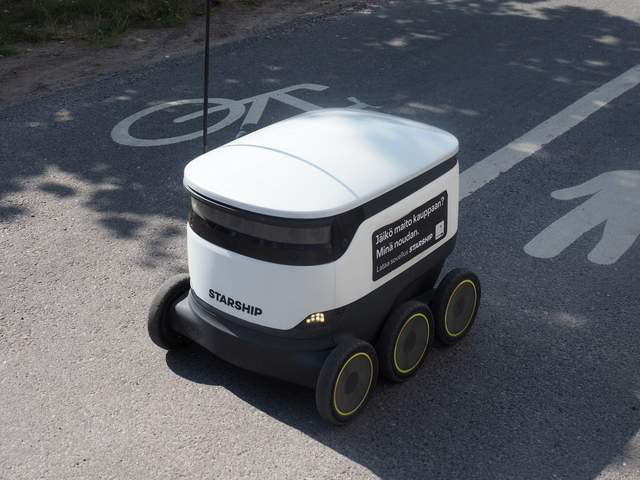
Autonomous delivery robots, those wheeled vehicles that transport food and shopping without a driver, are spreading across the sidewalks of cities around the world. But not everyone is happy. In cities like Chicago, San Francisco or Glendale (California), complaints and protests have arisen, and some city councils are already considering banning them or limiting their use. The problem is that these robots, which use cameras and sensors to move around, often force pedestrians to step aside or even get onto the roadway. Collisions with people have been reported, broken-down robots blocking the way and situations where they obstruct emergency vehicles. In Chicago, a resident has launched a petition to suspend them until safety tests are carried out. In San Francisco they have already limited their access to the least crowded areas, and Toronto has banned them outright from sidewalks. The companies operating these robots assure that they are safe, that they reduce traffic and emissions, and that they are designed to avoid obstacles. But many cities had no regulation when the robots appeared overnight. Now, local governments are rushing to create rules to decide whether sidewalks are only for pedestrians or also for the machines. — Marta, for intermittent intelligence.
Delivery robots are already circulating on sidewalks: an advance or a problem for pedestrians?

Artículo anterior Artículo siguiente
Canyon unveils a smart helmet with a transparent display for cyclists
Meta launches AI smart glasses for less than 300 euros: the Meta Glasses

publicaciones relacionadas

5G: how the network that will connect everything works
27 de August de 2026
GPUs: why your graphics card chip has become the engine of AI
27 de August de 2026