

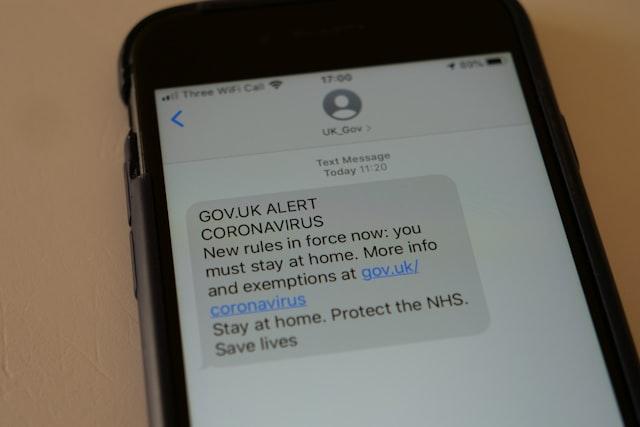
The earthquake that shook Venezuela in recent hours has left an important lesson: the phone in your pocket can serve for more than just looking at social media. Google’s earthquake alert system, built into Android phones, managed to warn millions of people seconds before the tremor began. Something that, in an earthquake, can mean the difference between life and death.
How does it work? Android phones carry small sensors inside called accelerometers, which measure movement. They’re normally used to rotate the screen when you tilt your phone, or to count your steps. But Google discovered that, if you put millions of phones together, you can use them as a network of mini-seismographs. When many devices in the same area detect a strong, sudden shake at the same time, Google’s system interprets it as a possible earthquake and sends an automatic alert to all nearby phones. You don’t need to install any app: it comes activated by default on Android.
In the case of Venezuela, the alert arrived seconds before the tremor was felt in different regions of the country. Those seconds are critical: they give time to take cover, move away from windows or leave an elevator. Although in Spain we don’t have such frequent earthquakes, systems like this also work here for higher-magnitude quakes. If you have an Android phone, you can check that the “Earthquake alerts” option is activated in the safety and emergency settings. A small gesture that, who knows, could one day save your life.
— Marta, for inteligencia intermitente.