

When you save a document, your disk does not archive it as a single whole. It chops it into thousands of pieces and scatters them across the surface of the magnetic platter (or across the flash-memory...
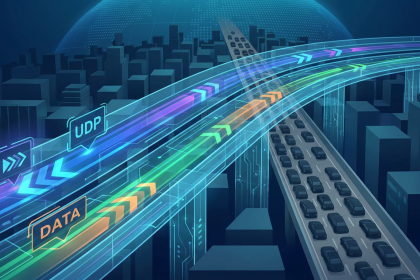
That the web seems faster is not only thanks to fiber optics. Much of the credit belongs to a protocol born a decade ago with an idea that was uncomfortable for the standards of the time: ditching the...
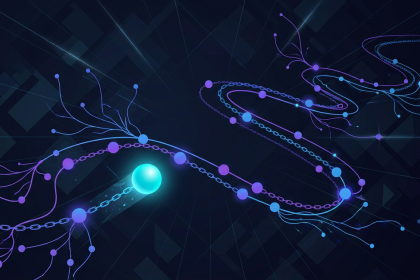
When your website takes half a second, it is almost never the fault of a single server. It is the sum of twenty microservices passing the request along like a relay baton, each adding its own millisec...
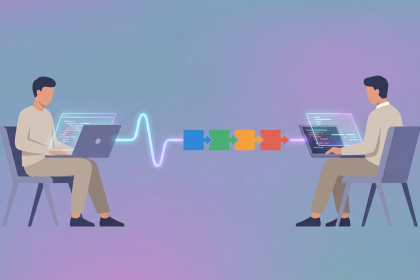
If you have ever watched two people type into the same Google Doc, Notion board or Figma file at once without the text tearing apart, you were witnessing a distributed-computing problem that took deca...
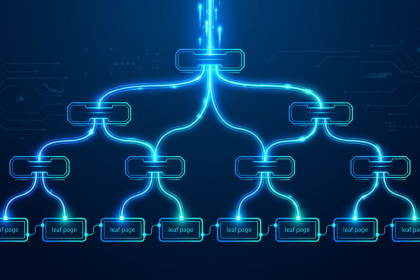
When you run an SQL query and the database answers in milliseconds, almost nobody stops to think that the heavy lifting is not done by the table: it is done by an auxiliary structure called an index. ...

When you open a website with a padlock, your browser and the server do not just greet each other: they run a three-message cryptographic choreography that decides, in milliseconds, which algorithm wil...
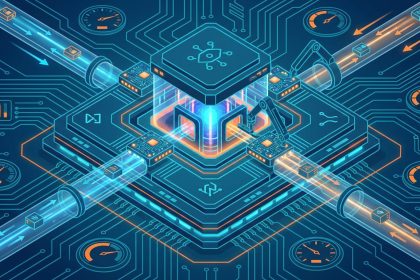
The short answer is yes, and the name of that possibility is eBPF (extended Berkeley Packet Filter). Even though the name smells like the packet filtering of the 1990s, eBPF has become the infrastruct...
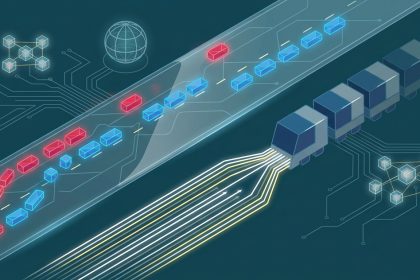
If you are reading this page, it has very likely already travelled over HTTP/3. The newest version of the protocol that runs the web has been quietly rolling out for years, and it rides on a surprisin...
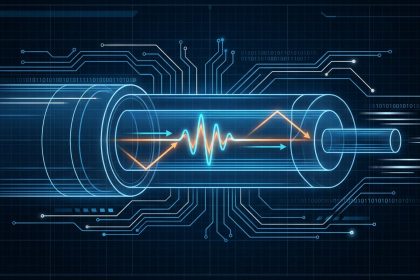
When your operator promises a “symmetric 1 Gbps fiber” connection, that promise rests on physics that has little to do with electricity. A fiber optic cable does not carry electrons: it ca...

When you save a password on a serious service, the platform does not store the password. It stores a fingerprint of it: a hash. That difference—between storing a secret and storing only the proof that...

When you type a URL and press Enter, your device does not connect straight to the website: every data packet passes through a filter that decides in fractions of a millisecond whether it should contin...
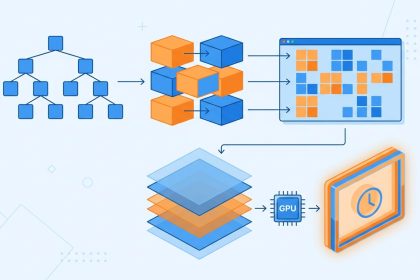
Every time a page scrolls, animates a button or switches theme, your browser is running a production chain that repeats dozens of times per second. It is not magic: it is the rendering pipeline —the s...