
_# Elon Musk gives us an expiration date: AI will surpass us in 2026_
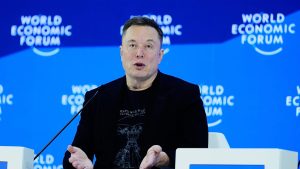
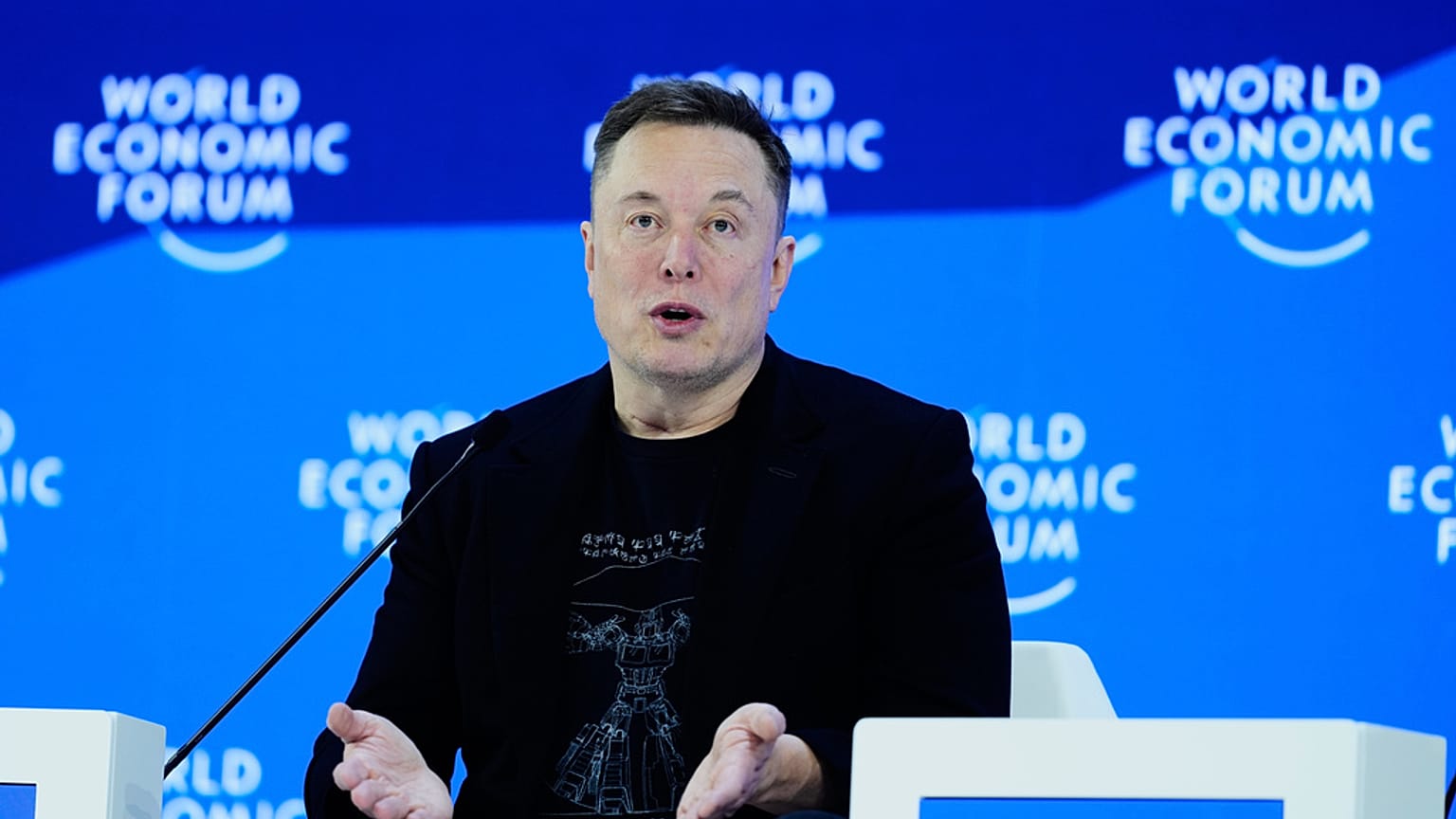
When Elon Musk speaks, the world listens. And what he said at the World Economic Forum in Davos has left more than a few people stunned. The tech magnate, in a talk with BlackRock’s CEO, has made a prediction that sounds like a sci-fi movie script: artificial intelligence will be smarter than any human being by the end of 2026. And not only that, but in the next decade it will be smarter than all of humanity combined.
That’s no small thing. According to Musk, this advance will force us to rethink the meaning of our own existence and our relationship with work. If an AI can do everything better than us, what will we do? It’s a dizzying question, but one that, according to the founder of Tesla and SpaceX, we’ll have to start answering sooner rather than later.
Robots at home and cars that drive themselves
But the matter doesn’t stop at a philosophical reflection. Musk has taken the opportunity to announce that he expects to start selling his Optimus humanoid robots to the public by the end of next year. These robots, which are already getting their first taste of action in factories, could become just another appliance in our homes. The future we saw in the movies is, literally, just around the corner.
He has also talked about his autonomous cars, assuring that the software is so advanced that insurers already offer discounts to those who use it. His plan is to roll out supervised autonomous driving in Europe and China very soon. It seems the image of letting go of the steering wheel and reading the newspaper while the car takes you to work is getting closer and closer.
The energy challenge and the space solution
However, all this technological rollout has an Achilles’ heel: energy. Musk has warned that AI chip production is growing much faster than our capacity to generate the electricity they need. His solution, as you’d expect, looks to the stars. He proposes installing solar panel farms in space, where they are more efficient, and placing data centers there, taking advantage of the vacuum for cooling. “The lowest-cost place to put AI will be in space,” he declared.
Musk’s statements in Davos are not just a collection of flashy headlines. They are a warning to navigators about the speed at which technology is advancing and the need to adapt, as a society, to the changes that are coming. And they’re coming at full speed.