
Today’s computers are marvels of speed, but there is one thing they do not imitate well: the human brain. Although it processes calmly, it can recognize a face, understand a conversation or react to danger in a fraction of a second, using barely the energy of a low-consumption light bulb. To get closer to that ability, a discipline called neuromorphic computing has been born, and it promises to change the way the chips we use every day work.
What exactly it is
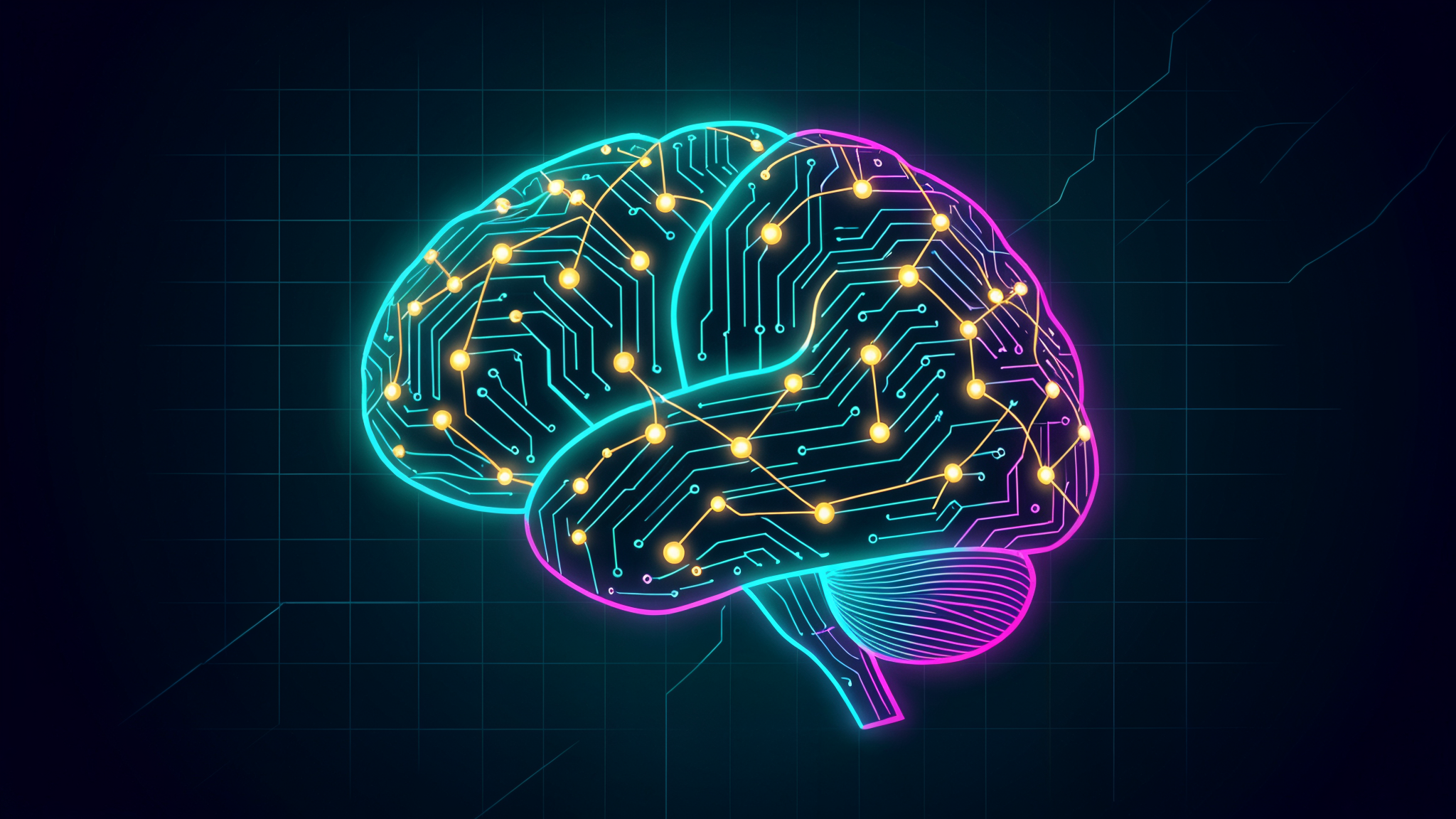
Neuromorphic computing consists of designing processors that mimic the functioning of neurons and the brain’s connections, the synapses. Instead of following the classic computer scheme —where a central unit processes instructions one after another and a memory section stores the data— these chips are organized into a network of small units that work at the same time and communicate with each other, in a similar way to how nerve cells do.
The result is a type of hardware designed for tasks that traditional processors struggle with: recognizing patterns, learning from experience or processing real-time data. And, above all, it does so consuming much less electricity.
The great advantage: little energy
The figure that draws the most attention is power consumption. Our brain works with about 20 watts, the energy of a light bulb. Neuromorphic chips pursue that same goal: solving complex problems using a minimal fraction of the energy a conventional processor would need for the same task.
This has enormous practical consequences. Today, artificial intelligence consumes so much electricity that the big tech companies are starting to look back at nuclear power plants to feed their data centers. A chip capable of doing the same with much less spending would be a revolution: it would lower costs, reduce emissions and allow AI to run on small devices, without depending on distant servers.
Why it matters in your day to day
You do not need to be an engineer to see the advantages. A phone with a neuromorphic chip could understand voice commands and translate in real time offline, because all the processing happens inside the phone itself, with minimal battery use. A smartwatch could detect a fall or an anomaly in heart rate instantly, without waiting to send the data to the cloud.
It is also key in autonomous cars and robots: they need to react in milliseconds to what happens on the street, and do so with low consumption and without depending on a connection. In factories, robots that learn new movements by watching a human are a very promising field of application.
Who is behind it
It is not an isolated laboratory idea. Big companies have been working on it for years. Intel develops an experimental chip called Loihi, and in Europe the European research project in neuroscience and technology is being promoted. There are also specialized companies that already sell neuromorphic processors for specific uses, such as sound recognition or monitoring anomalous patterns in networks.
It is still a young technology, with pending challenges, such as the difficulty of programming these chips or manufacturing them in large quantities. But the industry’s interest and the constant advances indicate that it is not a passing fad.
A future that is approaching
Neuromorphic computing is not going to suddenly replace the computers we have today. The most likely thing is that it will coexist with them: classical processors will continue to be ideal for many tasks, while these new chips will take on the functions that require learning and reacting quickly with little energy expenditure.
The underlying idea is fascinating: we have spent decades imitating mathematical logic to build machines, and now technology looks at the brain as the best example of efficiency we know. If the advances continue on course, within a few years the artificial intelligence we use daily could live inside our devices, consuming almost nothing. And that leap, even if we barely notice it, will change from the inside the way technology accompanies us.