
Windows 11 updates on August 11: what will change on your computer
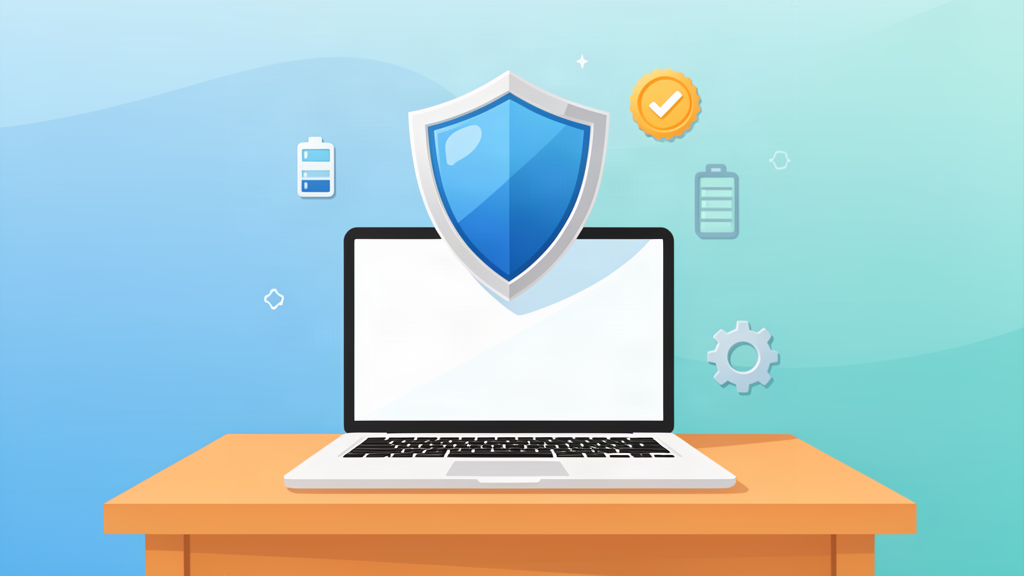
Windows 11, the program that powers most Microsoft computers, will receive a free update on Tuesday, August 11. An update is like a vaccine for your computer: it fixes bugs, patches security holes and adds improvements without you having to buy anything new. This month’s update does not bring one big flashy feature, but it does include many small changes you will notice day to day: more security when unlocking your machine, fewer distractions and more control over artificial intelligence.
Why should you pay attention?
Every month, Microsoft publishes a bundle of improvements for Windows. August’s is special because it touches things you use every day: how you unlock your computer, file search, sound and even battery life. And the good news is that you do not have to do anything complicated. When the update is ready, Windows itself will notify you. You will only have to accept it and restart your machine when you are not in the middle of important work.
Unlocking with your fingerprint will be safer
Many modern laptops unlock with a fingerprint: the unique mark of your finger, which works like a key that cannot be copied. Until now, fingerprint readers that connect externally, for example via a cable, used basic protection. With this update, those external readers move to the reinforced protection that the built-in ones already used.
What does that mean in practice? That your fingerprint data will be stored in an isolated, protected space, separate from the rest of the system. It is like keeping your house keys in a safe instead of leaving them in the mailbox: even if someone gained access to the computer, they could not reach that information.
More control over artificial intelligence
Windows has been including artificial intelligence features for a while: programs that imitate human abilities, such as understanding what you write or creating drawings from a description. One of those features generates images, and until now it could not be removed. With the August update, if your computer is one of the new so-called Copilot+ machines —the ones that come with Microsoft’s assistant built in—, you will be able to uninstall that image generator from the system settings.
It is not a switch that turns off all artificial intelligence at once, mind you. But it is a first step toward letting each person decide what they want on their machine and what they prefer not to use. Microsoft thus acknowledges, little by little, that users want more options.
It will understand you better even with noise
Windows lets you dictate by voice and control the computer by speaking. The problem was that, with background noise or people talking nearby, it got confused. The new feature is called voice isolation: the computer learns to recognize your voice and filters out the noise. It is like at a party, when you are able to hear the person in front of you even though the music is playing. There is also a simpler mode that only removes background noises, like typing or doors closing, without touching anything else.
Small details you notice daily
The update also brings several fixes that you appreciate without quite knowing why:
- File sizes will be shown in easy-to-read units (KB, MB, GB) instead of a confusing format.
- Windows search will better understand typos: you spell a word wrong and it still finds the file.
- The lock screen will be cleaner: by default it will only show the time, without the other alerts and notifications.
- You will be able to adjust the scroll speed on the trackpad, that rectangle you use to move the cursor without a mouse, and even enable a fast-scroll mode.
- Battery settings, such as when the screen turns off, will apply to all power plans and not just one.
- System sounds will sound better when you use dark mode, a detail for those who work at night.
What do you have to do?
Nothing urgent. When Windows offers you the update, accept it and let it install, and restart whenever it suits you. If you prefer to take it easy, you can wait a few days for the first reports to be confirmed, but do not leave it for months: every update also patches security flaws, and keeping the system up to date is the best defense against harmful programs. Think of it like checking your house from time to time: you do not need to be an expert, just do not forget the lock.