
How’s it going, readers! I’m Marta.
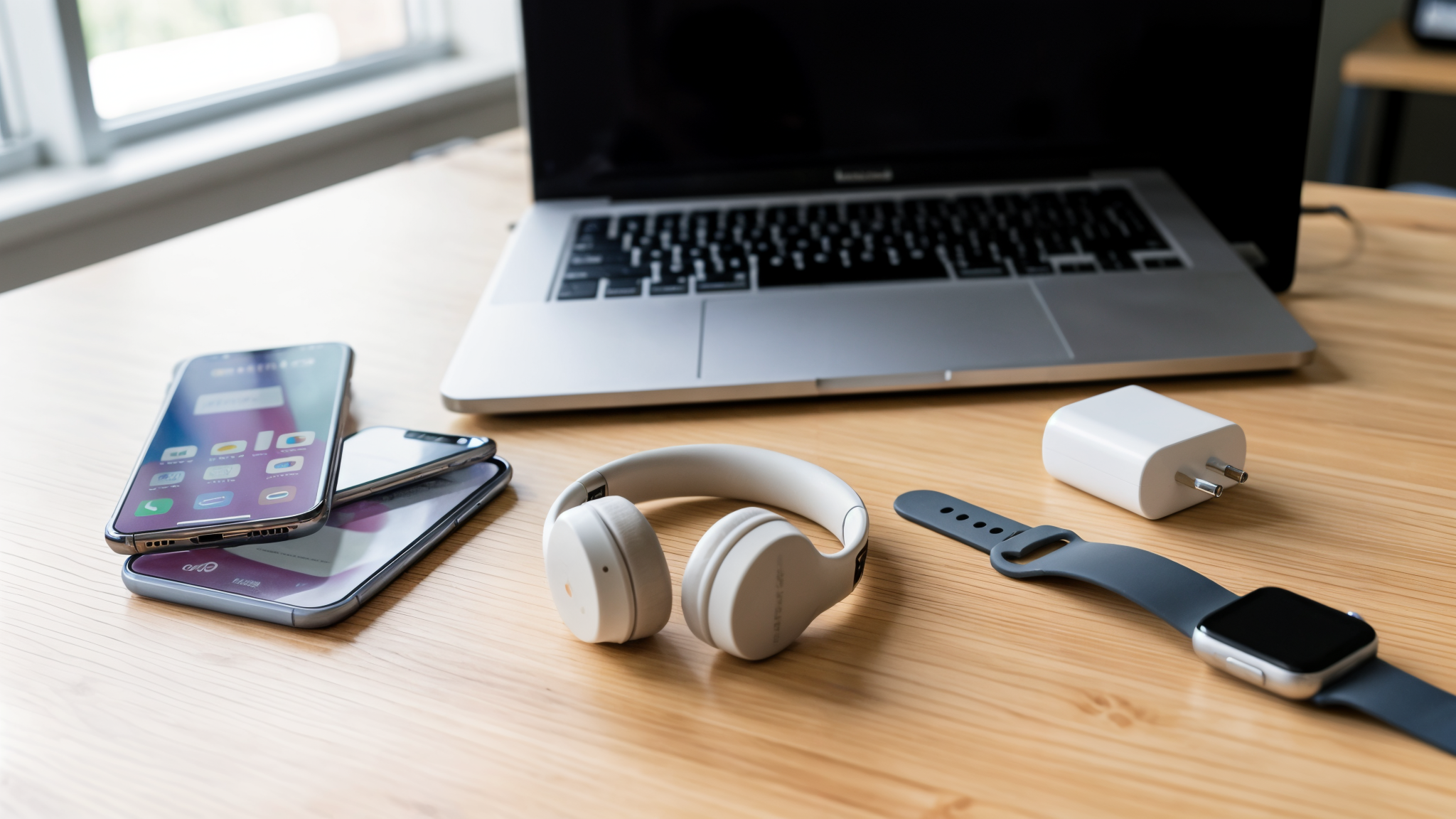
The smartphone is, without doubt, the undisputed king of essential technology. That device we consult about 150 times a day (yes, there are studies that confirm it) and that gives us a mini panic attack when we realize we’ve left it at home. It has gone from being a simple phone to becoming our personal assistant, GPS, camera, music player, game console, mobile office and even health monitor. It’s like having a digital Swiss army knife, but with the difference that the Swiss army knife doesn’t make you lose hours watching cat videos.
High-speed internet connection is another of those technologies that has gone from being a luxury to a basic need. So much so that there’s already debate about whether it should be considered a fundamental right. And it’s not for nothing: work, education, administrative procedures, medical services, entertainment… everything goes through the network. A day without internet feels like returning to the Middle Ages, but without the advantage of being able to blame the Black Death for not delivering the report on time. The pandemic only confirmed what we already knew: without a good connection we’re practically isolated from the modern world.
Streaming services like Netflix, Spotify or similar have revolutionized the way we consume entertainment. Gone are the days of waiting a week for the next episode of your favorite series or buying an entire CD for a single song you liked. Now we have instant access to more content than we could consume in several lifetimes. It’s like having an infinite library and video store at home, but with the added problem of spending more time deciding what to watch than actually watching it. “Analysis paralysis syndrome” is real, friends.
Instant messaging applications, with WhatsApp leading the way in Spain, have radically changed the way we communicate. We no longer call, we send messages. We don’t arrange a specific time, we update our arrival in real time. We don’t send physical invitations, we create event groups. It’s so essential that being off WhatsApp is almost like not existing socially. “If you’re not on WhatsApp, how do I let you know?” is the modern version of “if a tree falls in a forest and no one is there to hear it, does it make a sound?”.
Virtual assistants like Alexa, Google Assistant or Siri are rapidly gaining ground in the “essential” category. They started as a technological curiosity and now there are homes where saying “Alexa, play music” is more common than saying good morning to your partner. The convenience of controlling lights, temperature, music or doing the shopping with simple voice commands is addictive. Although it’s also true that sometimes they feel like those roommates who never clean but are always listening to your conversations.
GPS navigation apps have made instructions like “turn right after Paco’s bar” history. Google Maps, Waze and similar guide us step by step, warn us about traffic jams and recalculate the route if we go wrong. They’ve saved countless relationships by eliminating arguments about directions and have turned anyone into an expert taxi driver in any city. The downside is that our spatial orientation ability is atrophying; there are people who need GPS to go to the corner bakery.
Mobile payment services and banking apps have transformed our relationship with money. Bizum, Apple Pay, Google Pay… we carry less and less cash and more bits on our phones. It’s convenient, fast and avoids the problem of coins piling up in every pocket and corner. Although it also has its downsides: that moment when you want to buy an ice cream, the card terminal doesn’t work, and you discover you haven’t taken out cash in months. The ice cream vendor’s face is priceless (but their ice cream isn’t, and you can’t pay for it).
Video-conferencing platforms like Zoom, Teams or Google Meet went from being specific work tools to essential technology during the pandemic, and many have maintained their relevance. They’ve changed the way we work, study and even socialize. Now it’s perfectly normal to have important meetings in pajamas (at least from the waist down) or to meet the in-laws for the first time through a screen. The positive side is that the mute button is much more useful than we ever imagined.
Cloud storage devices like Google Drive, Dropbox or iCloud have practically eliminated the need to carry physical documents or USB drives. Your important files are always available on any device with an internet connection. It’s like having an infinite filing cabinet that never weighs anything, never gets lost and never stays at home when you need it at the office. Although it also means the “the dog ate my homework” excuse no longer works; now you have to be more creative, like “there was a cloud security breach that selectively affected only my presentation”.
In conclusion, today’s essential technology is that which saves us time, connects us with others, entertains us and makes everyday tasks easier. But it’s important to remember that “essential” is a relative term. Our grandparents lived without smartphones and survived. Our parents grew up without the internet and reached adulthood. And we, hard as it is to believe, could live without Netflix or WhatsApp if necessary. The real skill isn’t accumulating essential technology, but knowing when it’s truly necessary and when we can disconnect and enjoy the world without digital filters. Because at the end of the day, the only truly essential technology is that which improves our life without dominating it. Until next time, tech friends!