
Good morning, readers! Marta here.
Smart doorbells are one of the most popular home-automation devices, and rightly so. They’re relatively affordable, easy to install (most run on rechargeable batteries, so you don’t need to be a professional electrician) and offer immediate, tangible benefits. Brands like Ring (owned by Amazon), Nest (from Google), Arlo or Eufy dominate this market with models ranging from basic to the most sophisticated. It’s like going from a rotary phone to a smartphone, but at your front door.
The star feature of these devices is, without doubt, the video call. When someone rings your doorbell, you receive a notification on your phone and can see in real time who’s there. Perfect for those moments when you’re waiting for a package but also urgently need a shower, or when you want to check whether the person calling is your friend or that pesky neighbor who always comes to ask you for something. It’s also ideal for those of us who work from home and don’t want an important video call to be interrupted by the delivery driver.
The ability to talk to whoever is at the door, even when you’re not physically at home, is another huge advantage. You can give the delivery driver instructions on where to leave the package, tell an unexpected visitor you’ll be back later, or even pretend you’re at home when you’re actually on holiday (although that last one sounds more like a spy movie than everyday use). It’s like having a digital butler who answers the door for you.
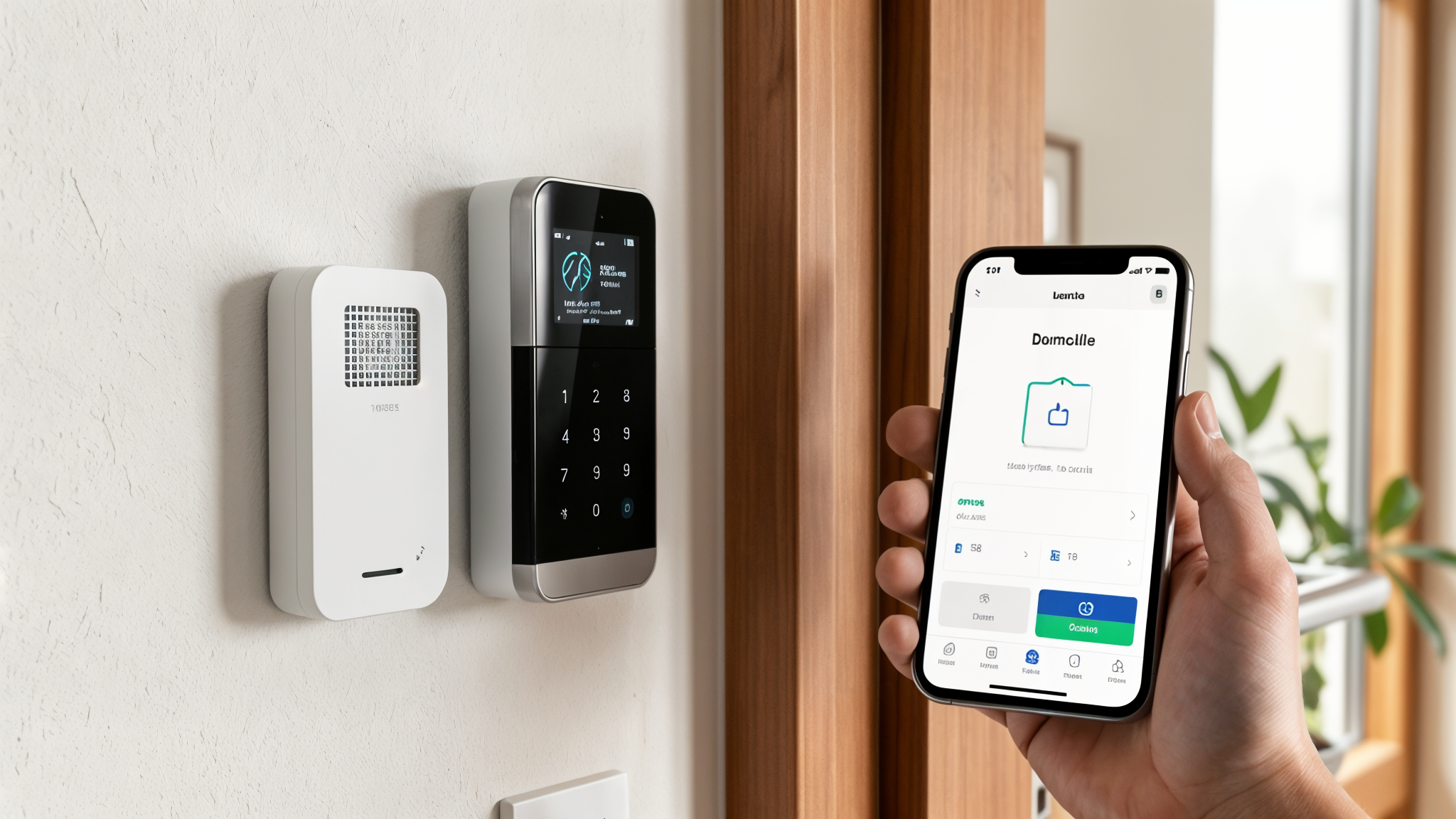
Integration with other home-automation systems is where these doorbells really shine. They can connect with smart locks to allow remote access for trusted people, with lighting systems to turn on the lights when they detect movement, or with voice assistants like Alexa or Google Assistant to announce who’s at the door or show the image on your TV or smart display. It’s like having your own version of JARVIS, Iron Man’s assistant, but without the ability to launch missiles (fortunately).
Security is another fundamental aspect. Many smart doorbells include motion detection and can record video when someone approaches your door, even if they don’t actually ring. This can be useful to deter potential intruders or to have evidence in case of theft or vandalism. Some more advanced models can even distinguish between people, vehicles and animals, reducing the false alarms caused by that stray cat that always prowls your garden.
However, not everything is perfect in the world of smart doorbells. Privacy is a legitimate concern. These devices are constantly recording what happens in front of your house, which can include neighbors, passersby or the public street. Depending on where you live, this could even have legal implications. What’s more, the recordings are usually stored in the cloud, which raises questions about who has access to that data and how it’s used. It’s the eternal dilemma between security and privacy, but now at your front door.
Reliance on a good internet connection is another weak point. If your WiFi fails or the company’s server has problems, your sophisticated doorbell can become a simple button that does nothing. Some models offer local storage as a backup, but not all. And let’s not forget the battery: if it runs out and you forget to recharge it, you could be left not knowing who’s calling at your door, like in the old days but with a much more expensive device.
Cost is another factor to consider. Although there are options for every budget, the most advanced models can cost several hundred euros. And many of the most useful features, like extended video storage or advanced alerts, usually require monthly subscriptions. It’s like buying a car and discovering you have to pay extra to use the air conditioning or the radio.
On the home-automation horizon, smart doorbells are just the beginning. The trend points toward fully connected homes where all devices communicate with each other to make our lives more comfortable and secure. Imagine a scenario where your doorbell recognizes that it’s the delivery driver with your order, the lock opens automatically to let them leave the package in the vestibule (under the watch of indoor cameras), and then the door closes and locks again. All this while you’re at the office, receiving real-time notifications of every step of the process.
In conclusion, smart doorbells are a gateway (literally and figuratively) to the world of home automation, offering immediate, tangible benefits that can significantly improve the security and comfort of our home. As with all technology, they have their pros and cons, and each person must evaluate whether the advantages justify the investment and the possible privacy concerns. But one thing is certain: the simple “ding-dong” has evolved into a sophisticated communication and security tool that our grandparents could never have imagined. Until next time, tech friends!