
Meta, the company that owns Facebook and Instagram, will have to pay 567 million dollars (about 520 million euros) for the harm its social networks cause to young people’s mental health. This was decided by a court in the state of New Mexico, in the United States, in a ruling announced this Thursday.
It is one of the most important rulings of its kind, and it comes after other similar punishments against the same company.
Who is Meta and what is it accused of?
Meta is the company that owns Facebook, Instagram and WhatsApp. That is, three of the apps most used by young people around the world. New Mexico’s attorney general, Raúl Torrez, filed a lawsuit against the company in 2023.
The accusation is harsh: Meta’s networks are designed to hook you. Judge Bryan Biedscheid, who handed down the sentence, says it in other words: the platforms seek to make users spend as much time as possible inside, even if that time harms them.
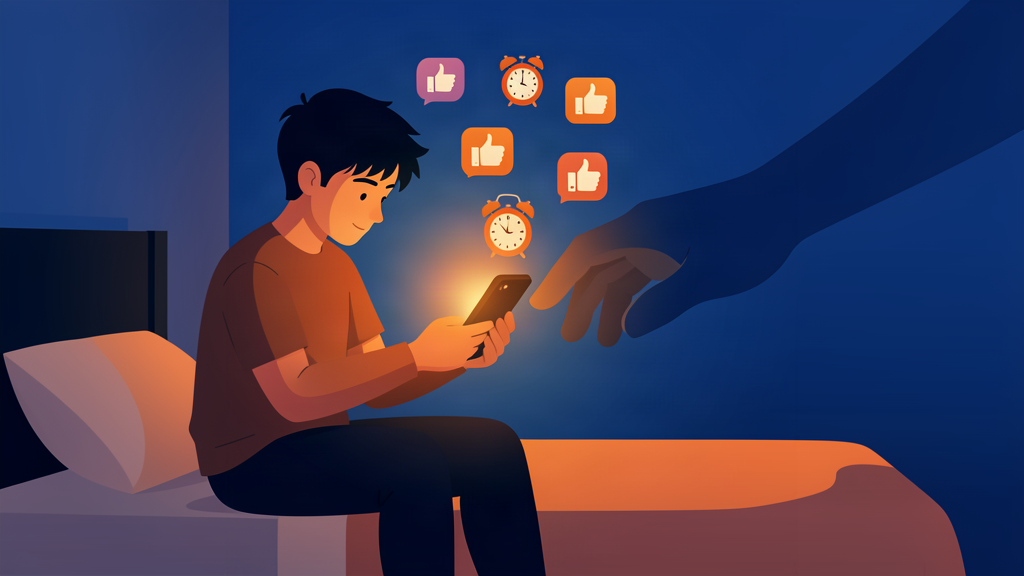
Let us use an example from daily life. When you open a social network, notifications warn you about everything: a "like", a message, a new video. They are like a little bell that calls you again and again. For an adult it is already hard to ignore them. For a child, almost impossible. That is how they spend hours staring at the screen, lose sleep and many end up with anxiety or sadness.
The lawsuit also accused Meta of not protecting minors from predators who use social media to contact them.
What will the money be spent on?
The court ordered that the 567 million dollars go to a reparations fund. What does that mean? That the money will be used to help young people who have suffered harm. Specifically, about 420 million will go to treatment services. The rest will be invested in prevention campaigns, detection programs and other expenses over the next five years.
But the money is not the only thing. The judge also ordered Meta to change the way its apps work. For example:
- Limit the time minors can spend inside the networks.
- Limit notifications, so they do not constantly alert.
- Improve the system for handling reports of abuse against minors.
- Show informational screens explaining how to protect yourself.
It is not the first conviction
This is not the first time Meta has received a punishment over this issue. In March of this same year, a jury already ordered the company to pay another 375 million dollars, for considering it had deceived the public about the safety of its platforms for minors.
In total, adding up both convictions, Meta must pay about 942 million dollars. It is an enormous figure, but it is worth putting it in context: the company earned about 60 billion dollars in 2025. The punishment represents a small part of what it earns in a single year, and the company’s shares barely fell 0.5%.
Meta has announced it will appeal. It says it works to keep users safe and that it will defend its track record of protecting teenagers.
A problem that worries the whole world
This case is not an isolated event. In the United States there are thousands of similar lawsuits from families and schools against the big networks.
And outside the United States, governments are also moving. Australia was the first country to ban social media for minors. France has passed a law that prevents under-15s from using them without their parents’ permission; it comes into force in September. Denmark has legislated parental supervision for 13- and 14-year-olds. Indonesia and Malaysia have also put age limits in place.
The European Union is heading the same way: it is preparing restrictions or bans for under-13s.
What does this mean for you?
If you have children or nephews, this news hits close to home. Social networks are not bad on their own: the problem is when their design captures children’s attention above everything else.
Experts recommend simple steps: agree with minors on a maximum screen time, turn off notifications on the youngest ones’ phones and talk to them about what they see and how they feel. You do not need to be a tech expert: it is enough to be present and set clear rules, as you do for other things around the house.
The New Mexico ruling is not going to change the world overnight. But it is an important warning: for the first time, a court clearly says that social media companies have responsibility for what their apps do. And that, little by little, can change how they are made.