
The «Panama Project»: the AI company destroying thousands of old books to teach its machines
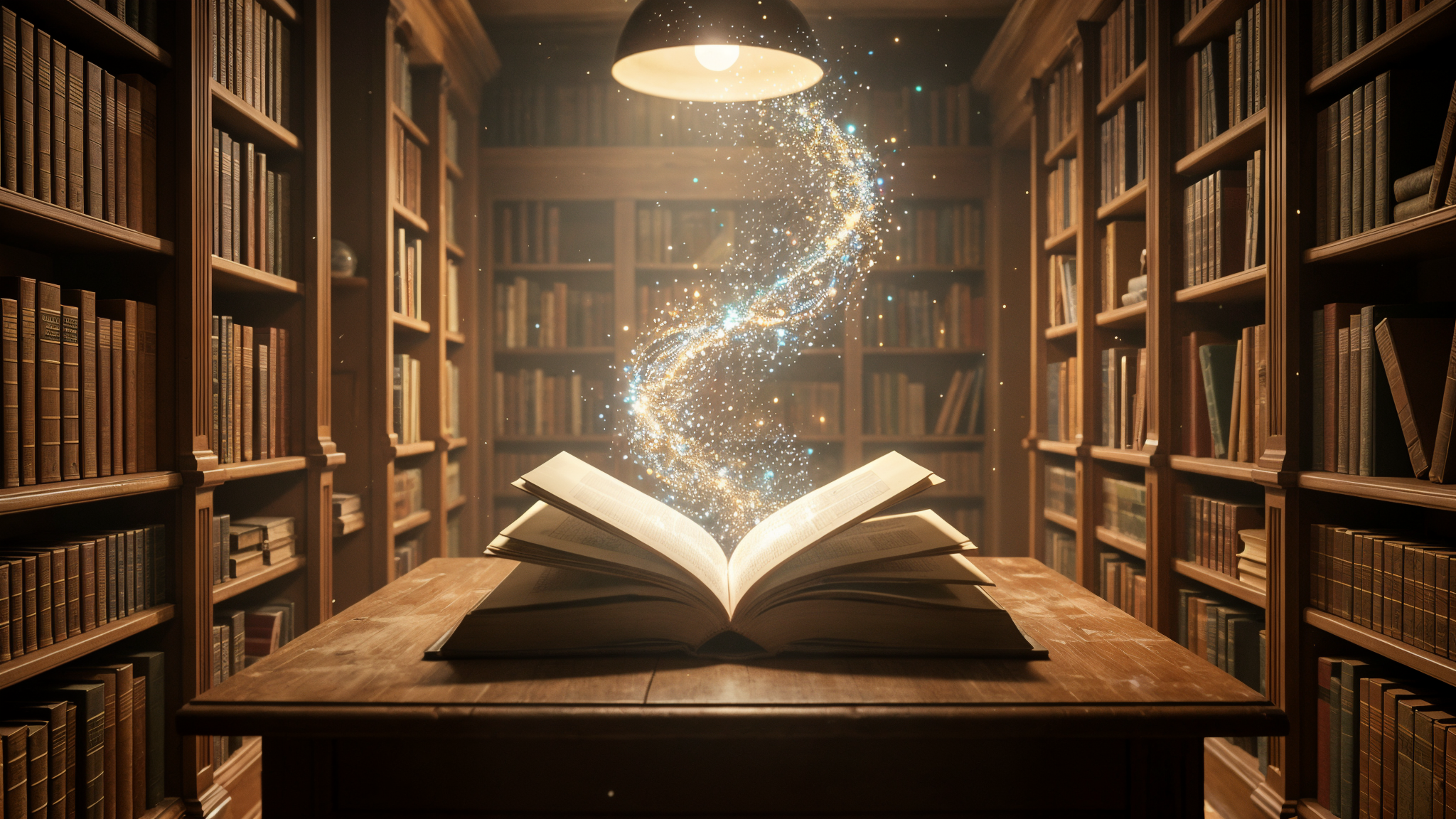
There is a story making headlines around the world that brings together two worlds that seemed not to touch: old books and artificial intelligence. A journalistic investigation has uncovered what they call the «Panama Project», a plan by a major technology company to read (and in many cases destroy) thousands of used and out-of-print books. The goal is not to store them or preserve them. The goal is to feed them to the machines.
What exactly is happening?
To understand it, imagine a company buys the books from your home, opens them, photographs every page and then throws away the leftovers. That is, in a nutshell, what is happening in many old-book shops all over the world.
A bookseller from Badalona, in Catalonia, named Marçal Font, received some orders a few months ago that seemed strange to him. Someone from Canada was buying dozens of books at a time and paying very expensive shipping costs without complaining. That is not normal in this business: whoever buys old books usually looks for specific copies, not piles. When he investigated, he discovered that the same thing was happening in Germany, in New Zealand or in Australia. They all talked about the same buyer.
Why do they destroy the books?
Here comes the important part. Artificial intelligence (those programs that learn things on their own, like the one that suggests words on your phone or the one that answers questions on the internet) needs millions of texts to learn. First they fed it everything that was on the internet: web pages, forums, news. When that was not enough, they started looking in books.
There are two ways to digitize a book. One is careful: it is scanned page by page without breaking anything, like someone reading a book with care. The other is fast and cheap: the binding of the pages (the spine) is cut, all the sheets are separated and passed through industrial scanners at full speed. That way is much faster and costs less, but the book can no longer be put back together. Its remains end up in recycling.
AI companies choose the second option because they need quantity: thousands and thousands of copies as soon as possible and at the lowest possible cost. And that is why booksellers talk about destruction.
Where does the name come from?
The name «Panama Project» appeared in a document that was made public during a trial. Anthropic, the company behind a well-known artificial intelligence assistant, reached an agreement to pay 1.5 billion dollars to authors who sued it for using their works without permission to train its models. In the court papers, the existence of this plan to digitize «all the books in the world» was mentioned. The document itself asked that no one find out what was being done.
Is this legal?
Here is the most delicate part. A judge said that, if a company buys the book, it can use it to train its artificial intelligence. That is, buying a copy gives the right to read it to teach the machine. But many experts and bookseller associations protest, especially when it comes to rare books, small print runs or works that cannot be found anywhere else.
The problem is that, once such a special book is broken and recycled, that unique information can be lost forever for people. Turning a book into data for a machine is not the same as preserving it so that people can read it.
What can I do?
You do not need to be an expert to take something away from this story. The next time you see a second-hand bookshop, remember that those books are not only worth what they cost. They are worth what they tell and what no one else has. And if they ask you whether we prefer our books to end up feeding a machine or serving people, maybe the answer is clearer than it seems.
Artificial intelligence is advancing very fast and is going to need much more material to learn. The question that remains on the table is simple: at what and whose expense?