
For decades, almost all of the world’s processors have been designed with two architectures dominated by a handful of companies: x86, from Intel and AMD, and ARM, with licenses controlled from the UK. But there is a third way that has been growing in silence for years and is now about to change everything. It is called RISC-V and its great distinguishing feature is that it is open and free.
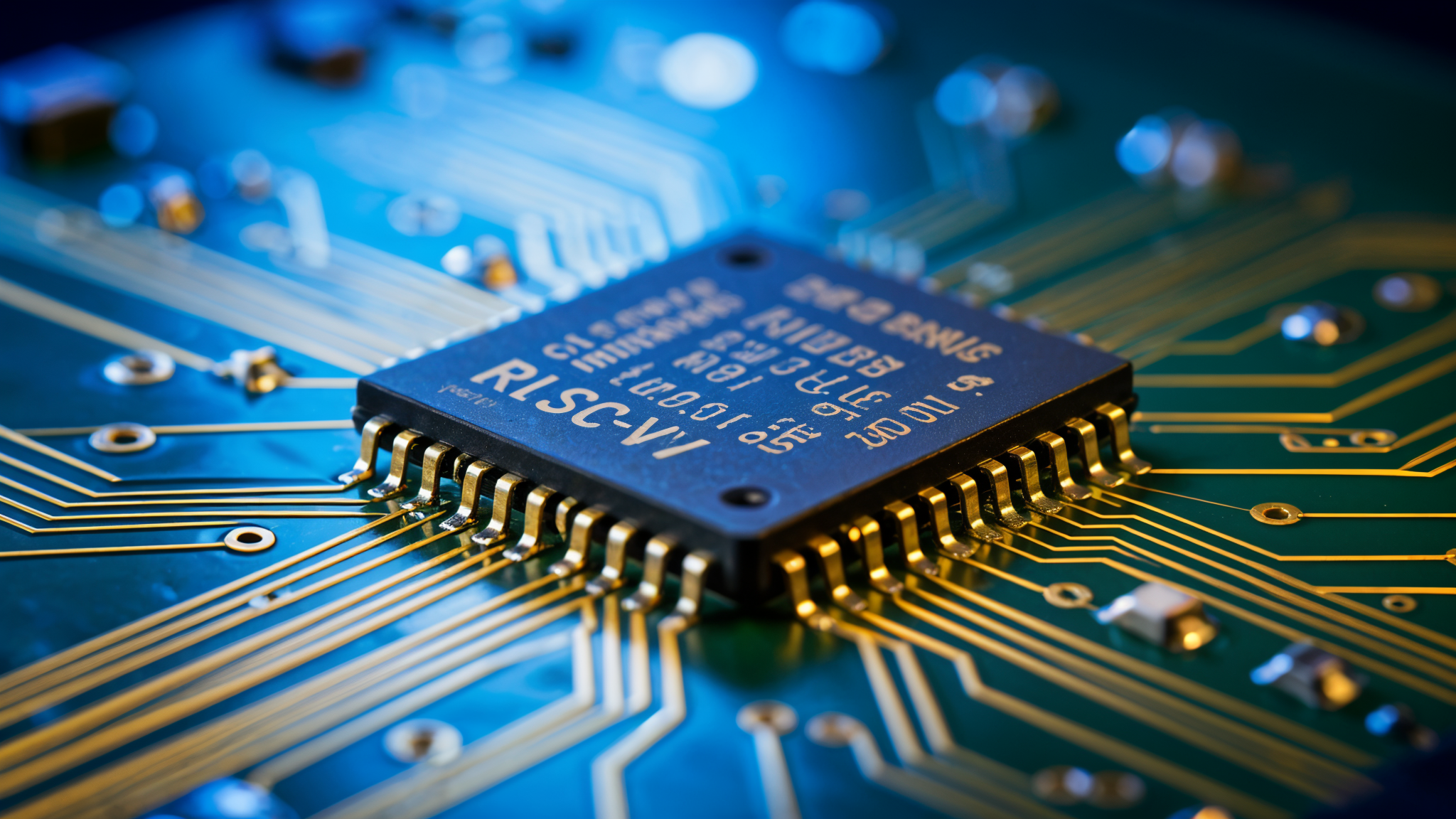
RISC-V is not a specific chip, but an instruction set architecture: the “language” a processor speaks to understand software commands. Just as a language can be used by millions of different people, RISC-V is a standard that any company can use to design its own chip without paying licenses or asking permission from anyone.
The key difference: being open
Today, if a company wants to manufacture a powerful chip, it almost always has to sign license agreements with ARM or accept Intel’s closed architecture. That makes products more expensive, limits customization and concentrates enormous power in a few hands. RISC-V breaks that scheme: its basic design is free and anyone can modify it, study it and adapt it to their needs.
It is the same model that already triumphed with free software and Linux, now applied to the physical heart of computers. That is why many call it “the Linux of chips”.
Where is it already used today?
Although you may not know it, RISC-V is already working in your life. Many small microcontrollers in home devices, sensors, network cards and automotive components already use this architecture. Where it is growing most strongly is in the field of artificial intelligence, thanks to the possibility of designing custom chips for very specific tasks at a lower cost.
Large technology companies and governments around the world (especially China and the European Union) are investing millions in RISC-V. The reason is strategic: having a technology on which they do not depend on third parties gives them independence and digital sovereignty.
Will it reach your phone or your computer?
That is the million-dollar question. RISC-V chips are still less powerful than today’s high-end ones in demanding tasks such as gaming, and the software is still adapting. But the pace is dizzying: every year faster and cheaper processors appear, and it is expected that in the next decade we will see the first commercial phones and laptops with this technology.
Do not expect a revolution overnight. It will be a gradual transition, as happened with the shift from one architecture to another in the past: first in simple devices, then in more powerful equipment and, finally, in our home computers.
Why it matters to you
More competition in the world of chips usually means cheaper and more varied products. In addition, an open architecture makes security easier, because anyone can audit its code for bugs. And for the European or Chinese industry, having their own alternative reduces dependence on the big American firms.
RISC-V does not promise to be magically faster than its rivals tomorrow. Its great bet is something else: freeing the design of processors, opening the door to anyone’s innovation and returning some balance to a sector that had been in the hands of very few for decades. And that is news that, in the long run, benefits all users.