
The watch on your wrist already knows more about you than the doctor
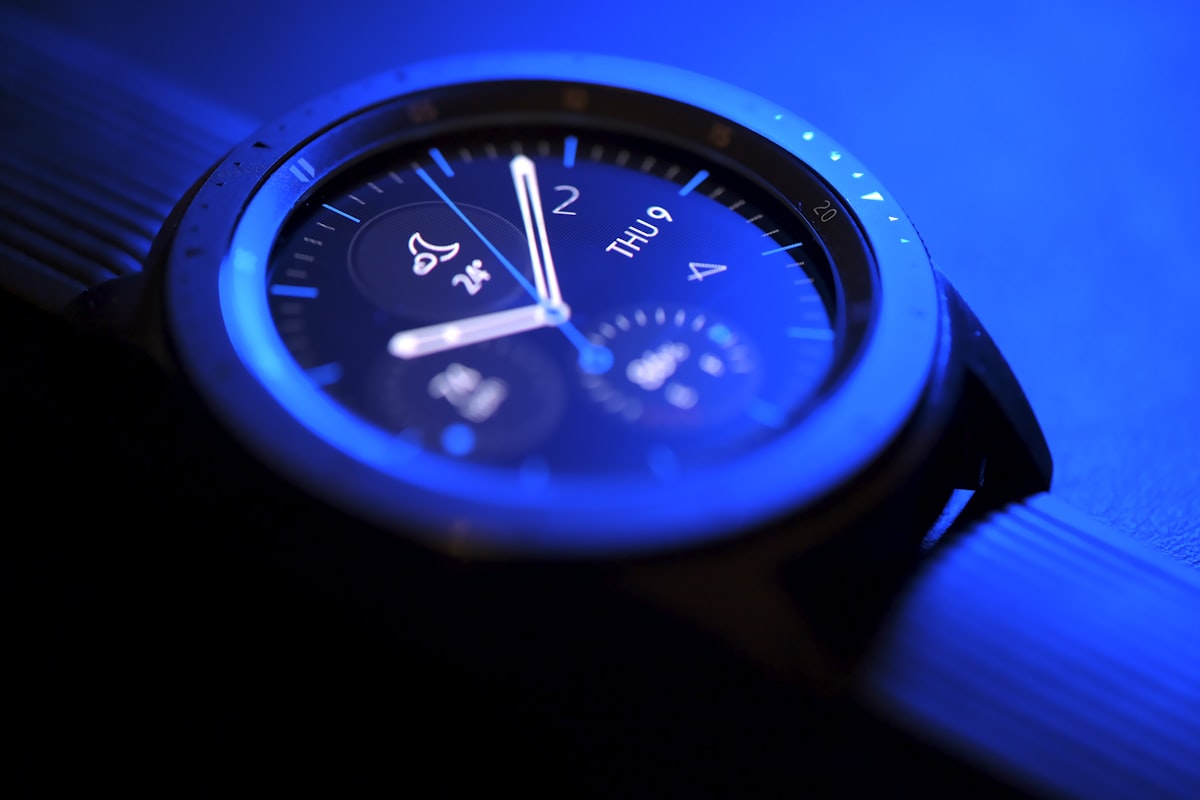
More and more people wear a computer on their wrist. And that device, which started out counting steps, has evolved into a small guardian of your health. It no longer only measures how much you walk: it analyzes your heart while you sleep, detects falls, measures blood oxygen and can even warn you that something is wrong before you notice it yourself.
Welcome to the era of health wearables, the portable devices that are transforming medicine and changing the way we take care of ourselves.
What exactly is a health wearable
A wearable is, literally, a device that is worn on the body. In the case of health, we are talking about smartwatches, bands or rings that incorporate sensors capable of reading signals from your body.
These sensors detect, for example, changes in the light reflected by the skin to measure your heart rate. They analyze movements to know whether you are sleeping or in which sleep phase you are. And some incorporate electrodes that allow recording a basic version of the electrocardiogram.
The result is a continuous stream of data about your physical state that previously was only obtained in a medical consultation and for a few minutes.
From step counter to disease detector
The first smartwatches only counted steps and calories. Today, things have completely changed.
The most advanced models can detect atrial fibrillation, a type of arrhythmia that increases the risk of stroke and often goes unnoticed. They also measure blood oxygen saturation, a metric that became famous during the pandemic, or heart rate variability, an indicator of the balance between stress and your body’s recovery.
There are even functions designed for safety: a fall sensor can automatically alert emergency services if it detects that you have collapsed and are not moving. It is a huge help for elderly people living alone.
How it turns data into something useful
That a watch measures your pulse does not add much if no one interprets that data. This is where artificial intelligence comes into play.
Algorithms analyze patterns over days and weeks. If your heart rate deviates persistently from what is usual, the device warns you. Some watches already combine several indicators to give you a “recovery score” or recommend that you rest more.
It is important to understand this: these devices do not make a medical diagnosis. They warn, suggest and generate clues. The final interpretation must always be made by a professional. They are the beginning of a conversation, not the verdict.
Medicine becomes preventive
The great value of wearables is that they shift medicine away from its traditional logic. Instead of waiting for symptoms to appear and going to the doctor, these devices allow your body to be monitored continuously.
That information is gold for professionals. With data from weeks of activity, sleep and heart rate, a doctor can detect trends that a single consultation would never reveal. It is what is known as preventive and personalized medicine: increasingly adapted to each person, instead of general averages.
What you should bear in mind
Despite the advantages, there are aspects worth not forgetting. One is privacy: health data is extremely sensitive, so it is worth reviewing what our application does with that information and with whom it shares it.
Another is not becoming obsessed. Seeing a one-off measurement that is out of the ordinary can generate unnecessary anxiety. The point is in the trends, not in an isolated data point.
What is coming
Evolution does not stop. The next wearables promise to measure blood pressure non-invasively or monitor blood sugar without pricks, two challenges the industry has been chasing for years.
Combined with artificial intelligence and telemedicine, these devices point to a future in which taking care of yourself is not something we do from time to time, but something that happens silently and constantly, 24 hours a day.
Your wrist already knows how much you have slept and how your heart beats. What is coming is that all that knowledge becomes a better way of taking care of you.