

Cold weather arrives, and instead of getting home and shivering while the heating starts up, the temperature is already waiting for you ready. The blinds raise themselves at dawn, the lights turn on when you enter and turn off when you leave, and a notification on your phone tells you the oven has already preheated. It isn’t magic or science fiction: it’s a smart home, and it’s increasingly within anyone’s reach.
What, in plain terms, a smart home is
Behind the term “home automation” —which sounds like laboratory technology— hides a very simple idea: that the devices in your house connect to each other and let themselves be controlled to make your life easier. Lights, plugs, thermostats, locks, cameras or even the coffee maker can speak a common language and obey you.
That language is set in motion by two pieces: a stable wifi network and a control hub. That hub can be a smart speaker, a phone app or even a small device that coordinates everything. From there, you decide what you want to automate.
The three things most commonly automated at home
Lighting is the most typical entry point. A smart bulb turns on with your voice, changes colour for home cinema or turns itself off when you leave. It costs little and installs in seconds, but it’s the best demonstration of what the rest can do.
Next comes climate control. A connected thermostat learns your schedules and adjusts the heating so you don’t waste energy when you’re not there. The result shows on the bill at the end of the month.
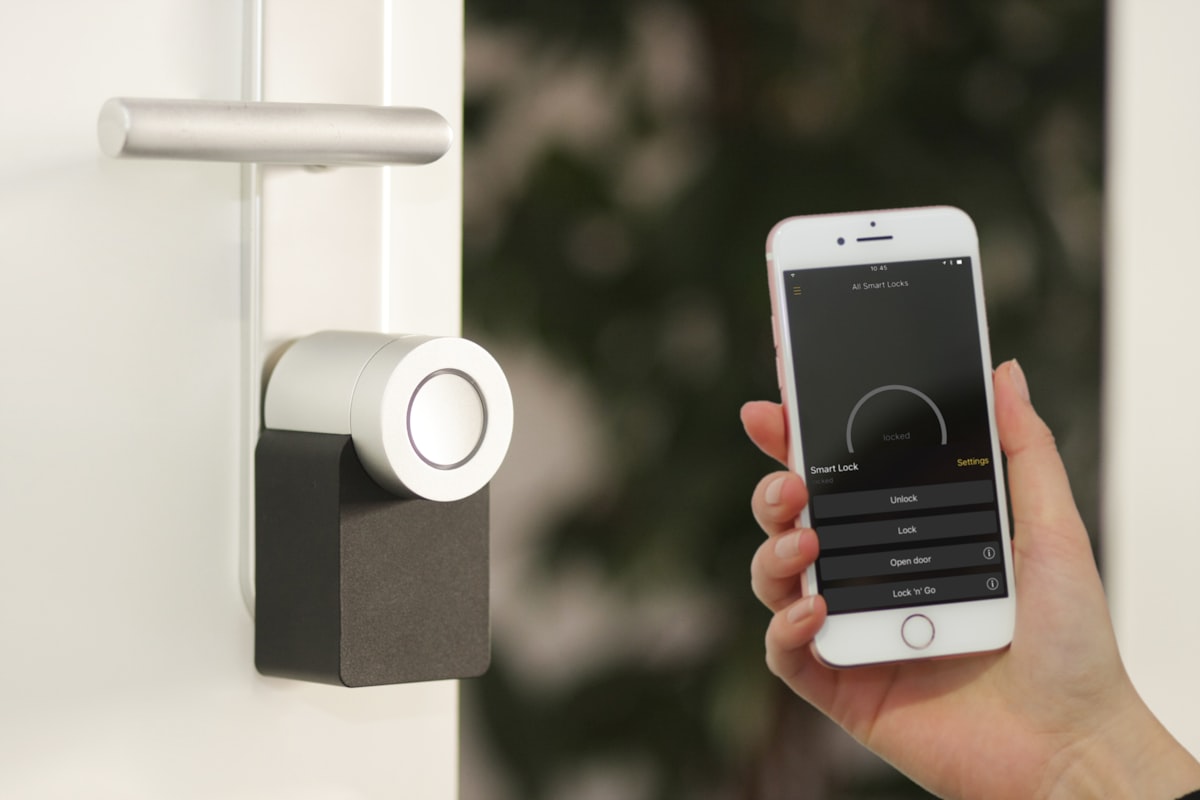
And finally, security: locks that open with your phone, cameras that warn if they detect movement, and sensors that send you a message if a window opens. Being able to check from work that you’ve left the door closed is a peace of mind that’s priceless.
Real savings, beyond the whim
Not everything is convenience. Turning devices on and off according to real presence saves light and heating, and that saving can amount to a far from negligible percentage of a home’s energy bill. Put simply: a house that turns itself off when no one is there is a house that spends less.
The fine print: every device is a door
Time to talk about the serious side. Each connected device is, deep down, a small computer with access to your network, and that means it’s worth treating them with care. Change the passwords they come with from the factory, enable two-step verification on the main app and keep everything updated: manufacturers fix security flaws with updates.
It’s also worth reviewing what information each device shares and with whom. You don’t need to be paranoid, but knowing what microphones and cameras you have on and why is part of living smartly, seriously.
How to start without bankrupting yourself
The good news is that you don’t need to renovate the house or spend a fortune. Just start with the basics: a smart bulb and a couple of connected plugs to start playing with schedules and automations. Once you see how they work, you’ll decide whether you want to take the leap to thermostats, cameras or motorised blinds.
Experts’ advice is to go little by little and choose devices that speak the same ecosystem, so you don’t end up with ten different apps managing a single house. Common standards already exist that promise that, in the future, any device will understand any other without complications.
The future: the house that understands you without you saying anything
The next step is already on the way. Artificial intelligence keeps learning your routines until it anticipates them: turning on the light before you arrive, adjusting the temperature according to your day or warning you when something isn’t right. The house of the future won’t be a piece of furniture with buttons, but a silent companion that takes care of the boring tasks.
Meanwhile, the good thing is that the foundations are already here, they’re affordable and they don’t require being an engineer. You only need a good connection, a little curiosity and starting small. Your home can be much smarter than it looks.