When you hear “battery”, you probably think of your phone or your electric car. But storing energy for when it’s needed doesn’t have to involve chemicals. There’s a much older and simpler idea that’s gaining prominence: the gravity battery. It consists, in essence, of lifting an enormous weight and letting it fall when you need electricity. That simple, and that brilliant.
The idea: a giant lift full of energy
The principle is understood with an everyday example. When you lift an object onto a high shelf, you store energy in it: if you push it, it falls and can do something. On a large scale, gravity batteries do exactly that with concrete blocks, rocks or pillars weighing several tonnes.
When there’s surplus electricity (for example, on a day with lots of sun or wind), that energy is used to lift the block with cranes or motors. When electricity is needed, the block descends and the motor, now running in reverse, generates current. Each cycle is going up and down, storing and releasing.
Why they make sense now
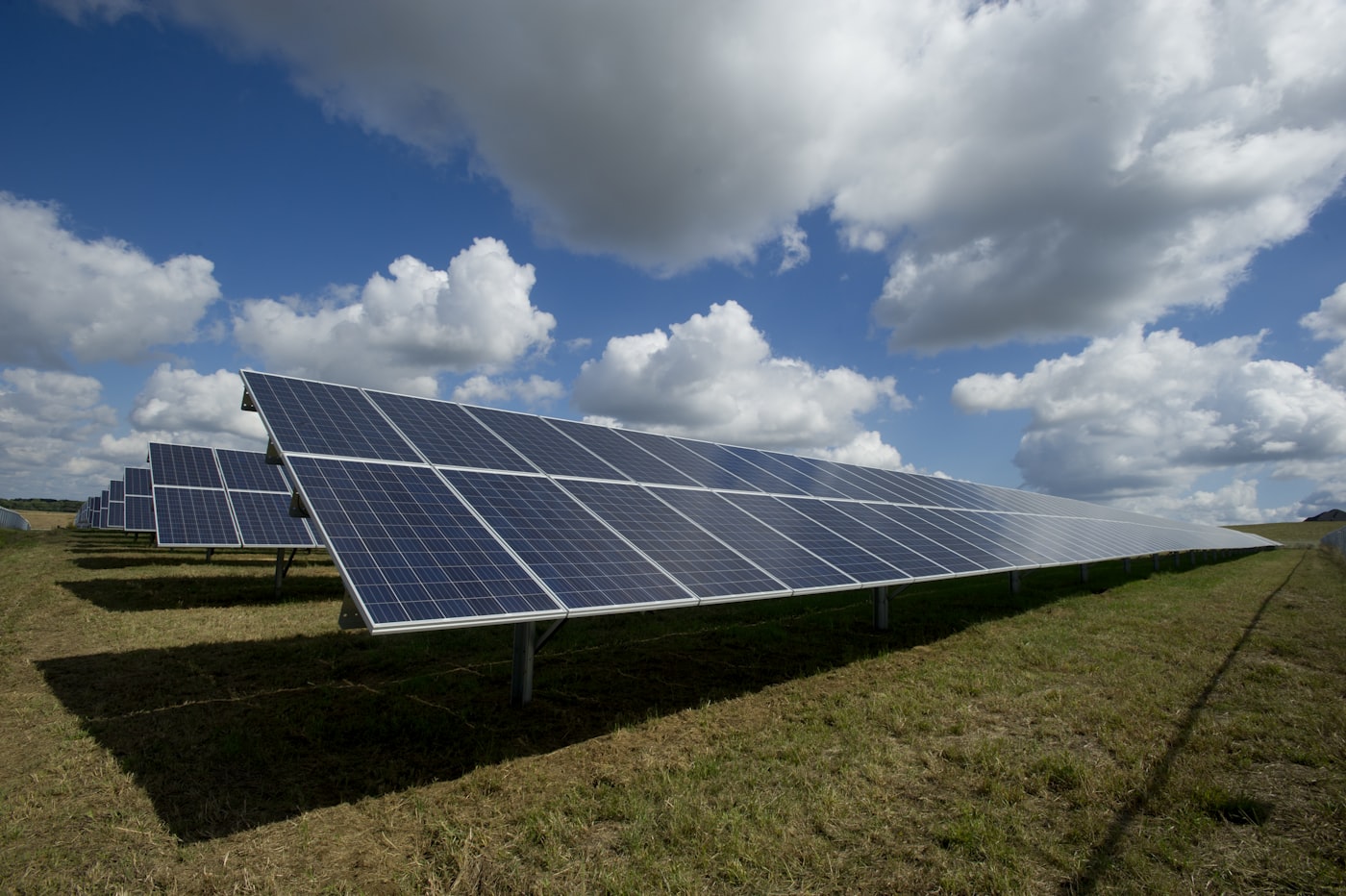
The great energy revolution of recent years is solar and wind power. But they have a problem: the sun doesn’t always shine and the wind doesn’t always blow. For these sources to really work, it’s necessary to store their energy at times of abundance and release it when the time comes.
Lithium-ion batteries do that job, but they have limits: they’re expensive, they degrade over the years and they depend on materials like lithium or cobalt. Gravity, on the other hand, doesn’t wear out. A concrete block can go up and down for decades without losing capacity, and the building material is cheap and abundant.
Two families: towers and mines
There are two main approaches. The first is the tower: a tall building with a crane system that stacks blocks. It’s compact and fits near where the energy is consumed.
The second takes advantage of existing gaps, such as abandoned mines or deep shafts. By lowering a weight down a shaft of hundreds of metres, quite a lot of energy is generated with little surface space. It’s a curious way of giving a second life to infrastructure that’s no longer used, and several companies are already testing this route in old mines.
It isn’t a panacea, but it adds up
It’s worth being honest: the gravity battery isn’t going to replace lithium batteries in your phone or your car. Its strong point is another: storing large amounts of energy for hours, for electrical grids. It’s one more piece in the puzzle, alongside chemical batteries, hydrogen or pumping water into reservoirs.
Its biggest advantage is durability and long-term cost. A gravity system can run for half a century with barely any degradation, something no current chemical battery can promise. That’s why many experts consider it one of the most solid bets for long-duration storage.
In short
The gravity battery proves that you don’t always need to invent something radically new. Sometimes the solution lies in an age-old idea —lifting a weight and letting it fall— applied with modern engineering. While we keep searching for the perfect energy source, learning to store what we already produce is, perhaps, half the job.