
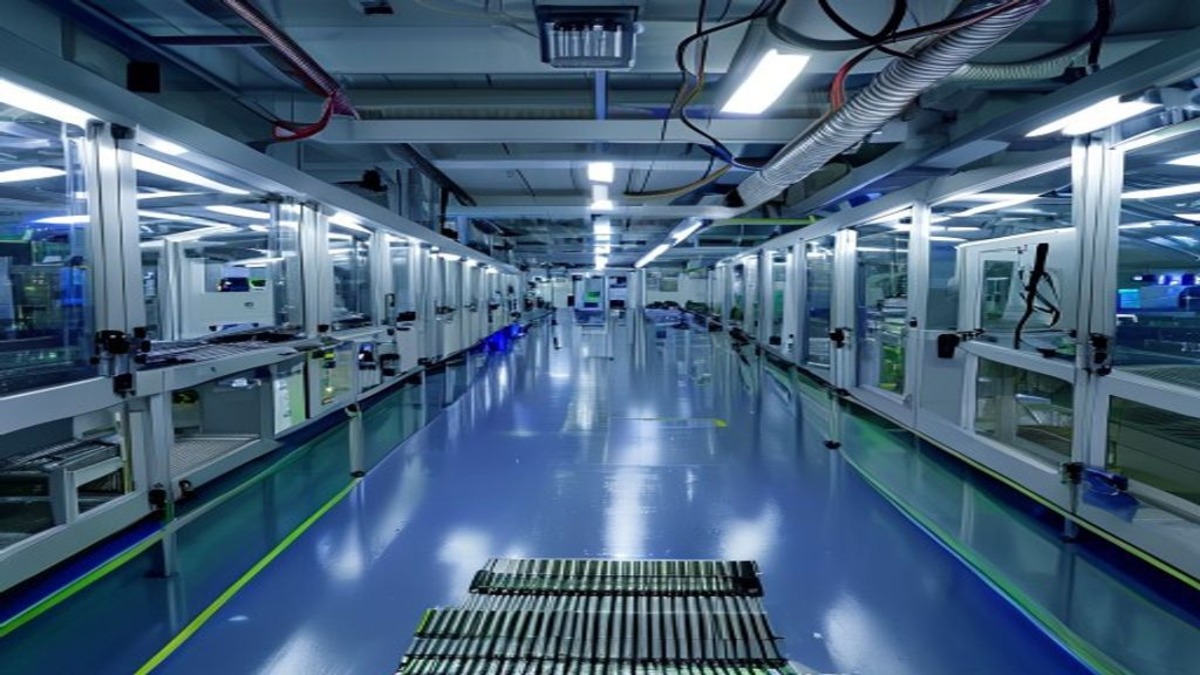
Germany has taken a giant step toward European technological sovereignty with the opening of Infineon’s Smart Power Fab in Dresden, the largest semiconductor factory in the world for power chips. The plant, which cost €5 billion, has been completed three months ahead of schedule and will run 24 hours a day, seven days a week.
The factory will produce chips for intelligent energy management, components used in electric cars, wind turbines, solar panels and data centers that power artificial intelligence. Why is this important? Because Europe today depends on Asia and the United States for most of the semiconductors it needs. With this plant, the European Union seeks to reduce that dependence and meet the goal of the European Chips Act: going from 10% to 20% of world chip production by 2030.
The plant is at the heart of Silicon Saxony, a German region that concentrates around 2,500 companies in the sector and produces one out of every three chips made in Europe. German Chancellor Friedrich Merz said during the opening that this investment has «a direct strategic importance for our digital sovereignty, our economic resilience and our independence». For ordinary people, this means that electronic devices, electric cars and digital infrastructure will be able to count on chips made in Europe, reducing vulnerability to supply crises like those experienced during the pandemic.
— Marta, for intermittent intelligence.